


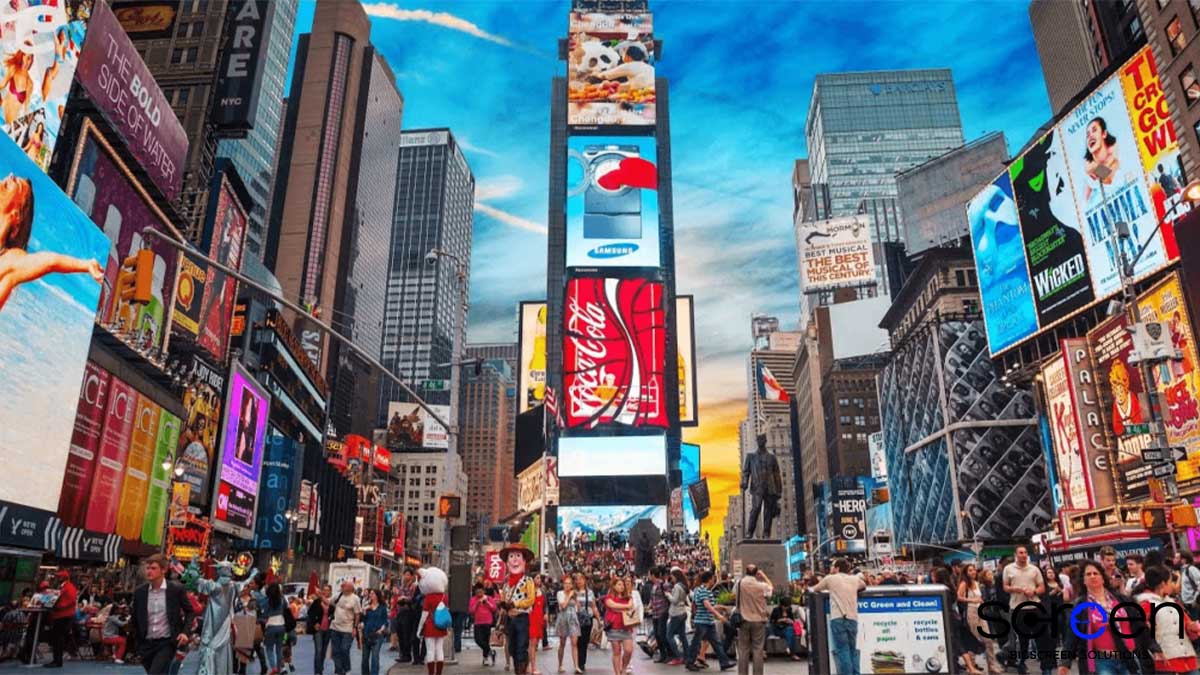
Selecting an LED display for a business environment is no longer a purely technical decision; it is a strategic investment that directly influences brand visibility, customer engagement, and long-term operational efficiency. With the rapid growth of digital advertising and visual communication, businesses face an overwhelming number of options, specifications, and marketing claims. Understanding the real criteria behind choosing the right LED display allows decision-makers to avoid costly mistakes and invest in a solution that truly supports their business goals. Rather than focusing solely on price or appearance, a professional selection process examines performance, environment, scalability, and long-term value.
The challenge many businesses face is that LED displays are often treated as generic products, while in reality they are complex systems that must align with specific operational needs. From retail storefronts and corporate offices to outdoor advertising and event venues, each use case demands a different technical approach. Choosing the right LED display requires a balance between visual impact, durability, and content flexibility, all while staying within a realistic budget and maintenance plan.

Understanding Business Objectives and Display Purpose
Before evaluating technical specifications, businesses must clearly define why they need an LED display. Is the goal to attract foot traffic, deliver real-time information, enhance brand perception, or support immersive customer experiences? Without a defined objective, even the most advanced display may fail to deliver value. This initial step is the foundation of choosing the right LED display, as it determines resolution needs, viewing distance, brightness levels, and content type.
For example, a retail store promoting seasonal offers requires high brightness and dynamic visuals, while a corporate lobby may prioritize color accuracy and elegant design. Event-based businesses may need modular displays that can be assembled and dismantled easily. Understanding the display’s purpose also helps determine whether the screen should operate continuously or intermittently, which directly impacts component lifespan and energy consumption.
In urban environments, planning decisions may even overlap with broader placement strategies discussed in topics such as 7 suitable places to install urban displays, highlighting the importance of aligning display purpose with location and audience behavior.
Technical Performance and Image Quality Standards
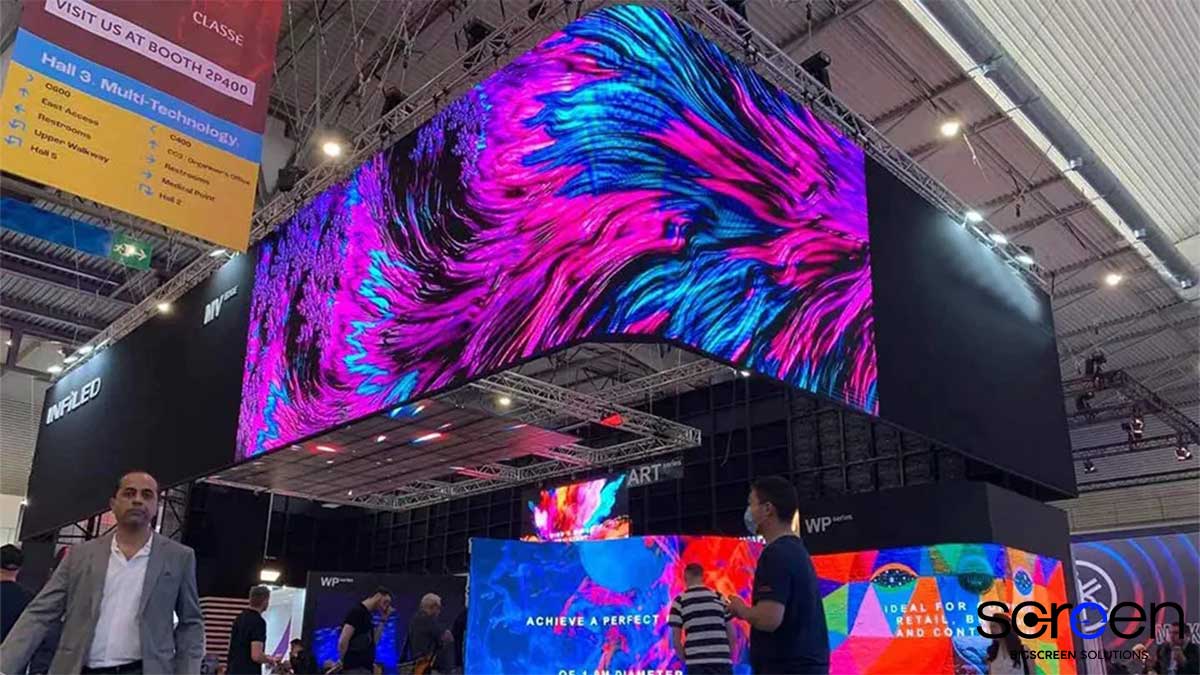
One of the most critical aspects of choosing the right LED display is technical performance. Pixel pitch, refresh rate, brightness, contrast ratio, and color uniformity all contribute to how content is perceived. Pixel pitch determines resolution and viewing distance, making it a decisive factor for both indoor and outdoor applications. A smaller pixel pitch delivers sharper images at closer distances, while larger pitches are suitable for long-range viewing.
Brightness must be appropriate for the environment. Outdoor displays require significantly higher brightness to remain visible under direct sunlight, while indoor screens benefit from controlled luminance to avoid eye strain. Refresh rate and grayscale performance affect motion clarity and visual smoothness, particularly for video content. Businesses that overlook these elements often end up with displays that look impressive in showrooms but underperform in real-world conditions.
Consistency across the screen surface is equally important. Poor calibration can lead to color shifts and visible seams, reducing professionalism. These technical details are central to choosing the right LED display that maintains visual integrity over time.
Installation Environment and Structural Considerations
The physical environment plays a decisive role in display selection. Indoor and outdoor LED screens differ significantly in terms of protection, cooling, and structural requirements. Outdoor displays must withstand weather conditions such as rain, dust, wind, and temperature fluctuations, while indoor systems focus on aesthetics and integration with interior design.
Installation constraints such as wall load capacity, mounting structures, and access for maintenance should be evaluated early. Businesses often underestimate these factors, leading to unexpected costs or compromised safety. In some cases, understanding installation complexity helps answer broader budgeting questions similar to How Much Does Digital Signage Cost?, as structural preparation and labor can significantly impact total investment.
Ventilation and heat dissipation are also critical. LED displays generate heat during operation, and inadequate cooling reduces lifespan. A well-designed installation ensures stable performance, reinforcing the importance of choosing the right LED display that fits both technical and architectural conditions.
Cost Efficiency and Long-Term Value
While initial purchase price is an important factor, it should never be the sole criterion. The true cost of an LED display includes energy consumption, maintenance, replacement parts, and operational lifespan. A cheaper display may require frequent repairs or consume more power, resulting in higher long-term expenses.
Evaluating cost efficiency means comparing total cost of ownership rather than upfront pricing alone. Businesses should assess warranty coverage, availability of spare parts, and technical support. This financial perspective is a core element of choosing the right LED display, as it ensures sustainability and predictable operating costs.
In some cases, businesses explore advanced configurations such as LED Video Wall Panels to achieve scalability and design flexibility. While these systems may have higher initial costs, their modular nature often delivers better long-term value through easier upgrades and maintenance.

Content Flexibility and Control Systems
A display’s value is ultimately defined by the content it delivers. Businesses should evaluate how content will be created, scheduled, and managed. Modern LED displays rely on sophisticated control systems that allow remote management, real-time updates, and integration with other digital platforms.
Content flexibility is especially important for businesses that frequently update promotions or messaging. Displays that support multiple input sources and formats provide greater creative freedom. This flexibility supports evolving marketing strategies and reinforces choosing the right LED display as a future-proof investment.
Emerging display formats and creative structures have also influenced market trends, often prompting discussions like Why are LED cube screens so popular?, as businesses seek more immersive and attention-grabbing visual solutions.
Brand Reliability and Market Reputation
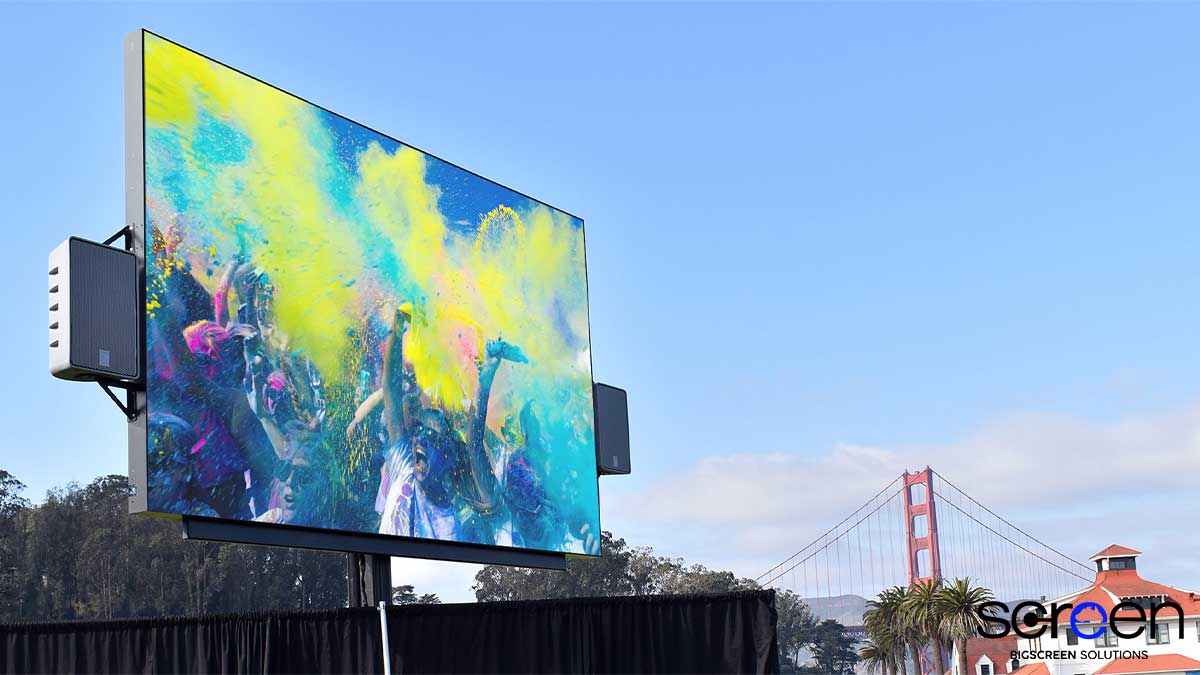
The manufacturer behind the display matters as much as the display itself. Reputable brands invest in research, quality control, and after-sales support. Businesses should evaluate supplier experience, completed projects, and customer feedback before making a decision.
Comparing suppliers often involves reviewing industry benchmarks and market insights, similar to analyses found in resources like Top 10 Outdoor LED Display Brands. While rankings alone should not dictate decisions, they provide useful context regarding reliability and innovation.
A well-supported display ensures consistent performance and faster issue resolution, reinforcing the strategic importance of choosing the right LED display from a trusted provider.
Scalability and Future Expansion
Businesses evolve, and visual communication needs change over time. A display solution should allow for future expansion, whether through increased screen size, higher resolution, or integration with new technologies. Modular designs enable upgrades without replacing the entire system, protecting the initial investment.
Scalability is particularly important for growing brands or businesses with multiple locations. A system that supports expansion ensures consistency across sites while adapting to different spatial constraints. This long-term perspective is a defining element of choosing the right LED display that grows alongside the business.
Traditional formats like a led sign may still serve specific purposes, but scalable digital systems provide far greater flexibility for modern business environments.

Final Thoughts
Selecting an LED display is a decision that blends technology, marketing strategy, and financial planning. Businesses that take the time to evaluate purpose, performance, environment, cost, content control, and scalability are far more likely to achieve lasting results. By approaching the process holistically, organizations can avoid short-term thinking and focus on long-term impact.
Ultimately, choosing the right LED display is not about following trends but about aligning visual technology with business objectives. For companies seeking expert guidance, high-quality products, and tailored display solutions, bigledscreen offers professional support designed to help businesses maximize the value of their LED display investment.