


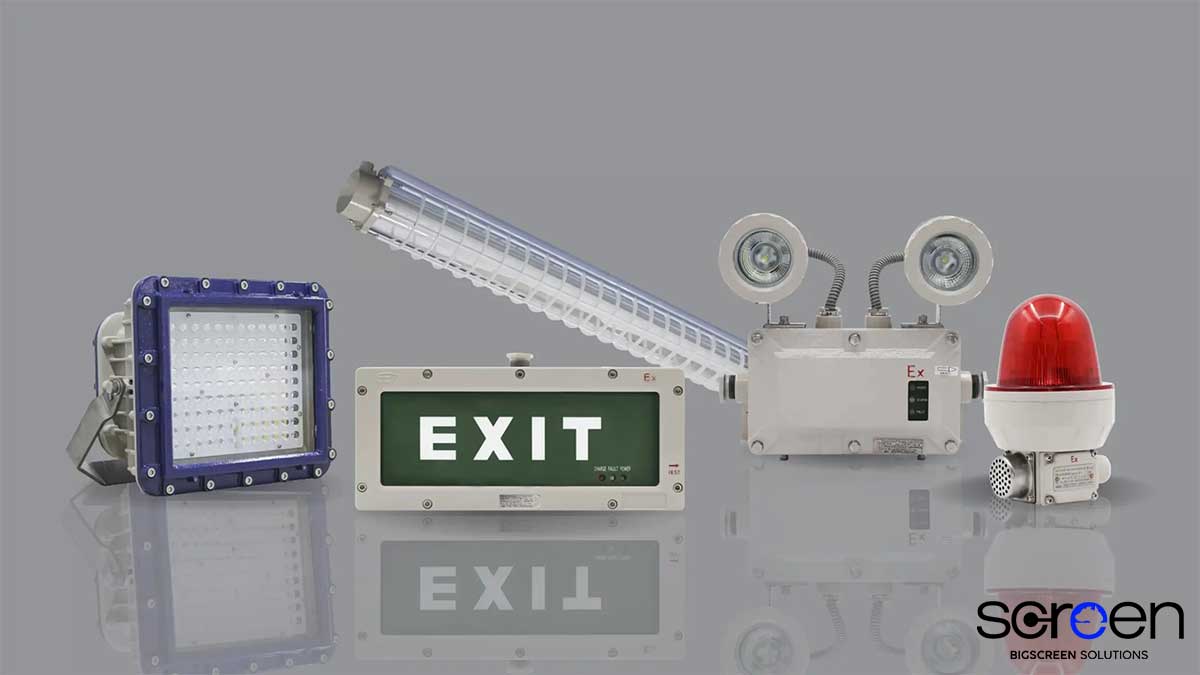
Urban environments depend heavily on fast communication—especially during sudden threats such as earthquakes, floods, industrial accidents, severe weather, or unexpected traffic disruptions. In such moments, people must receive clear, visible, and real-time instructions, regardless of whether they are indoors, outdoors, in a vehicle, or walking through crowded streets.
Traditional communication channels like SMS alerts, radio broadcasts, or social media updates are often delayed or inaccessible. This is where an emergency LED display becomes a critical safety asset. The high brightness, wide visibility range, and ability to update information instantly make LED technology one of the most reliable communication tools available to cities worldwide.

The Role of LED Systems in Emergency Management
Modern LED screens have evolved far beyond simple scrolling text. Today, they integrate advanced sensors, data sources, and network connectivity to provide automated and context-aware warnings. Unlike static signs, these systems react in real-time and adapt messages based on the severity, location, and timing of an emergency.
Whether it’s a sudden earthquake warning or directions for rerouting traffic, an emergency LED display ensures vital instructions reach thousands of people simultaneously—and immediately.
To understand how these systems fit into the broader ecosystem of digital communication, it’s helpful to note how some businesses use Outdoor Digital Signage for non-emergency purposes. The same visibility and modular design are leveraged in crisis communication, but with higher durability standards and instant alert protocol integration.

How Emergency LED Displays Work During Crisis Events
During an emergency, the system follows a strict sequence:
- Detection of Threat
Through seismic sensors, flood monitoring systems, or governmental crisis centers. - Automation of Message Delivery
Platforms automatically push alerts to all connected screens across relevant districts. - Real-Time Content Switching
Regular content disappears and urgent instructions replace it instantly. - Multilingual and Icon-Based Messaging
Critical for multicultural cities or situations where reading time is limited. - System-Wide Confirmation
Each screen reports back that the message has been displayed, ensuring coverage.
The speed at which an emergency LED display can switch content often determines whether people have enough time to react. A delay of even 10–20 seconds can dramatically change outcomes in fast-moving threats such as aftershocks or flash floods.
Types of LED Screens Used in Emergency Situations
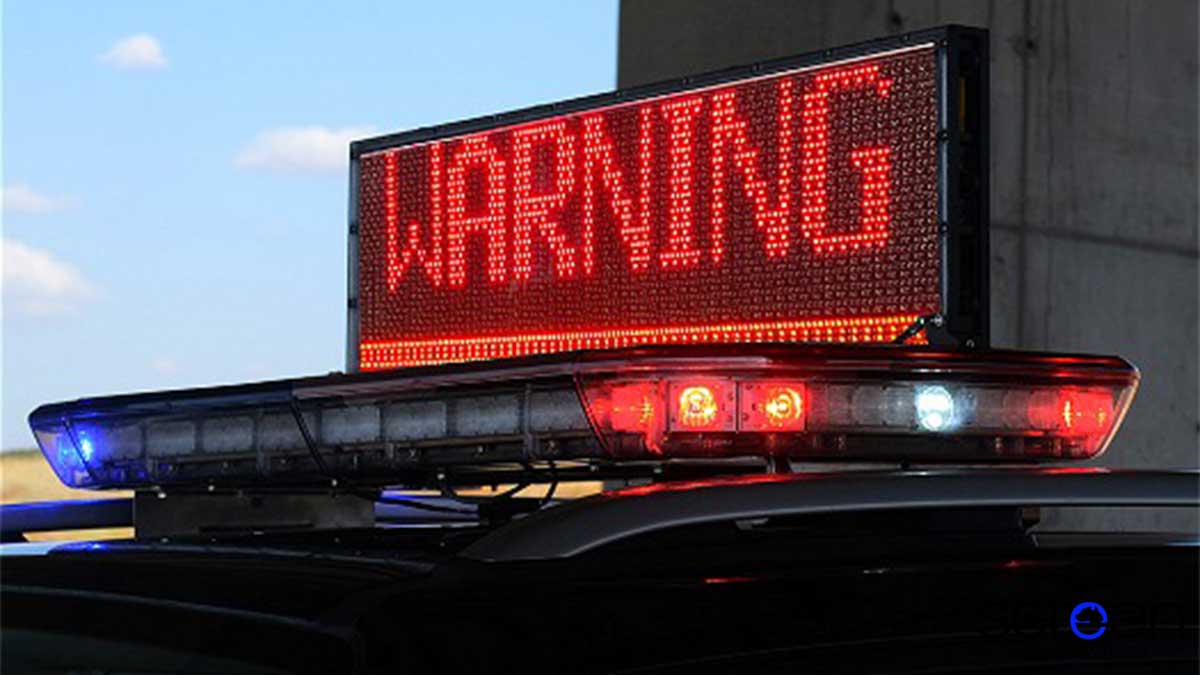
Different environments require different display formats:
1. Street-Level LED Displays
These are smaller screens installed at intersections, bus stations, or pedestrian pathways. They ensure that even individuals without smartphones receive instructions.
2. Highway LED Warning Systems
Large-format displays placed above highways and bridges are essential for preventing vehicle pile-ups during sudden hazards. Traffic authorities often rely on systems similar to LED Video Wall Panels for delivering long-distance visible alerts to drivers moving at high speed.

3. Interior Public Facility Screens
Found inside airports, malls, or metro stations. These screens are built with higher pixel density because people stand closer to them, enabling detailed instructions or evacuation maps.
4. Mobile LED Trailers
Transported quickly to evolving crisis sites. Their flexibility allows emergency teams to reposition them as needed.
5. Portable Signage Stands
In some disaster-prone regions, emergency response teams deploy tools similar to an LED Poster Display Stand, which delivers high-visibility alerts in temporary shelters or crowded reception centers.
Each format serves a unique purpose, but they all rely on the same foundation: extreme brightness, fast refresh rates, and rugged construction.

Why LED Displays Perform Better Than Traditional Signs
Compared to fixed metal signs, printed banners, or older electronic boards, modern LED technology offers clear advantages:
High Visibility in All Conditions
LED panels remain bright during heavy rain, fog, dust storms, and direct sunlight.
Instant Message Updates
Content can change citywide in less than a second.
Energy Efficiency
LEDs consume less power than older display technologies, allowing continuous operation during emergencies.
Durability and Weather Resistance
Most emergency systems maintain full performance under extreme temperatures.
Integration with IoT Sensors
This enables automatic activation during earthquakes or floods.
Cities adopting LED systems often invest in professional installation. For large-scale operations, municipal contractors sometimes rely on ط services to ensure wiring, calibration, and network connectors follow strict emergency safety regulations.
Emergency Messages That LED Displays Commonly Deliver
An emergency LED display typically provides:
- Earthquake early warnings
- Evacuation routes
- Shelter location guidance
- Flood risk alerts
- Road closures
- High-temperature danger alerts
- Industrial gas leak warnings
- Real-time traffic redirection
- Crowd control during concerts or events
In many cities, emergency messages also help reduce panic by offering clear instructions rather than vague alerts.
Using LED Displays in Earthquakes, Floods, and Traffic Crises
Earthquake Warnings
Some countries have sensors that detect primary waves seconds before shaking begins. LED boards instantly alert pedestrians and drivers, giving them precious seconds to duck, cover, and hold.
Flood Management
When river levels rise suddenly, LED signs positioned across bridges and riverside neighborhoods show elevation-based risk levels and recommended evacuation directions.

Traffic Accidents
Large overhead boards can quickly display accident updates, closed lanes, or detours. In complex road networks, these boards operate similarly to systems used in led sign commercial advertising, but with emergency-grade brightness and redundancy.
Economic Benefits of Emergency LED Systems
Beyond saving lives, such systems reduce financial losses:
- Minimizing property damage
- Reducing accidents due to confusion
- Preventing misinformation
- Guiding traffic efficiently
- Avoiding panic-driven crowd issues
Cities must also evaluate investment costs. Municipal managers often review annual budget plans and ask How Much Does Digital Signage Cost? when upgrading emergency networks. Long-term savings from reduced accidents usually justify the initial expenditure.
The Future of Public Safety Communication with LED Technology
AI-driven LED platforms will soon use predictive analytics, weather forecasting APIs, and even crowd-flow data to automate protective instructions. Future systems may adjust brightness based on environmental conditions or switch languages automatically depending on user density.
With the rise of smart cities, the role of the emergency LED display is expected to expand dramatically. What was once a simple scrolling text board is turning into a crucial element of modern safety infrastructure.
Conclusion
Clear communication saves lives—especially when every second matters. LED screens offer unmatched visibility, rapid content switching, and resilience under extreme conditions. Whether used on highways, in city centers, or inside public buildings, their ability to deliver real-time urban alerts makes them indispensable for modern emergency response.
In a world filled with unpredictable natural disasters and fast-changing urban risks, choosing high-quality LED systems is no longer optional—it’s a necessity for any city that prioritizes public safety.