


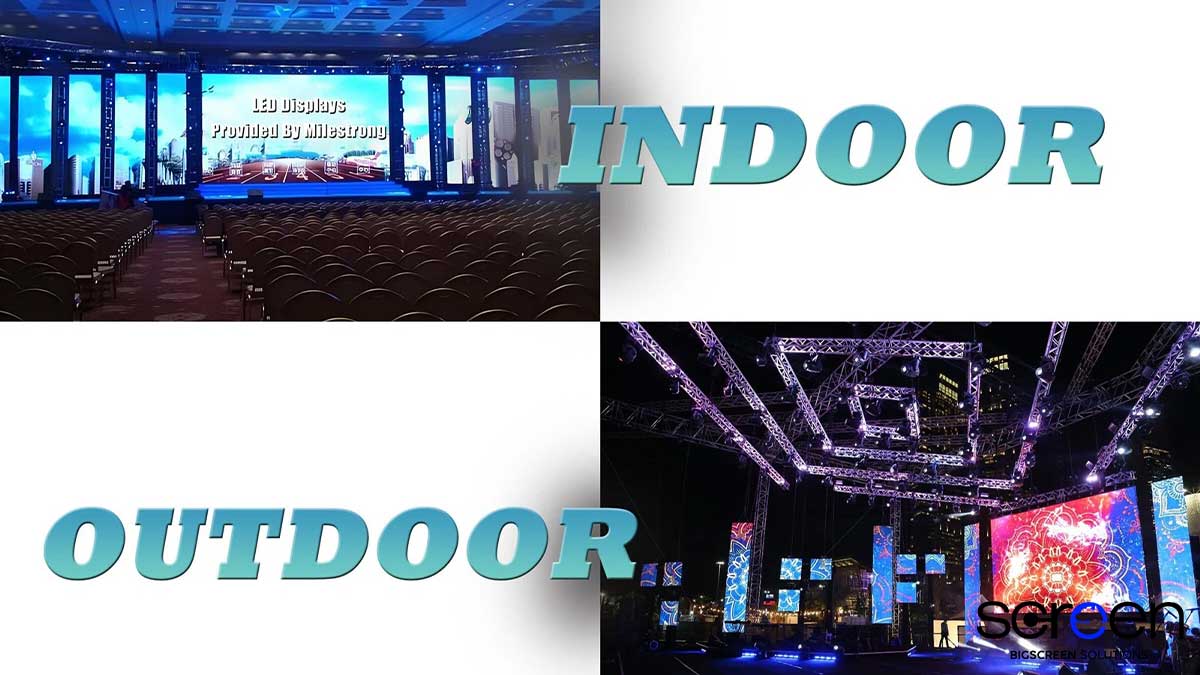
LED display technology has become one of the most powerful visual communication tools in modern environments. From shopping malls and corporate offices to stadiums and city streets, LED screens influence how brands communicate, how information is delivered, and how audiences engage with content. However, one of the most common mistakes buyers make is assuming that all LED displays are essentially the same. In reality, the distinction between indoor and outdoor LED systems is fundamental and directly impacts performance, lifespan, cost, and user satisfaction.
Understanding the differences between indoor and outdoor LED solutions is not merely a technical concern; it is a strategic decision that affects installation success and long-term return on investment. This is where a detailed comparison of Indoor vs Outdoor LED Displays becomes essential, especially for decision-makers who want reliable, future-proof visual systems.

Core Structural Differences Between Indoor and Outdoor LED Displays
At the most basic level, indoor and outdoor LED displays are designed for entirely different environmental conditions. Indoor systems are built to operate in controlled spaces where temperature, humidity, and lighting are relatively stable. Outdoor displays, on the other hand, must function continuously in unpredictable and often harsh conditions.
Outdoor LED displays feature reinforced cabinets, sealed modules, and protective coatings that shield internal components from rain, dust, wind, and direct sunlight. These displays are typically rated with higher IP protection standards, ensuring resistance to moisture and debris. Indoor LED displays prioritize lightweight structures, slim profiles, and aesthetic integration into architectural spaces.
This structural distinction is one of the primary reasons Indoor vs Outdoor LED Displays cannot be used interchangeably without significant compromises in performance and durability.
Brightness and Visibility: A Critical Performance Factor

Brightness is one of the most noticeable and important differences between indoor and outdoor LED screens. Indoor displays are designed to operate under artificial lighting conditions, where excessive brightness can cause eye strain and reduce viewing comfort. As a result, indoor LED displays typically operate at lower brightness levels while maintaining excellent color accuracy and contrast.
Outdoor LED Signage must compete with direct sunlight, reflections, and changing daylight conditions. To remain visible and legible, they require significantly higher brightness levels, often several times greater than their indoor counterparts. Automatic brightness adjustment systems are also commonly used to adapt to day-night cycles and reduce power consumption.
This difference in brightness capability plays a decisive role when evaluating Indoor vs Outdoor LED Displays for advertising, public information, or entertainment purposes.

Pixel Pitch and Viewing Distance Considerations
Pixel pitch refers to the distance between individual LED pixels and directly affects image clarity and optimal viewing distance. Indoor LED displays typically feature smaller pixel pitches because viewers are often positioned close to the screen. This allows for sharper images, smoother text, and higher perceived resolution.
Outdoor LED displays generally use larger pixel pitches, as they are designed to be viewed from greater distances. Larger pixels help reduce manufacturing costs and improve brightness efficiency without sacrificing visual clarity for distant viewers.
Choosing the wrong pixel pitch is a common and costly error, especially for first-time buyers exploring Indoor vs Outdoor LED Displays without understanding how viewing distance influences screen performance.
Environmental Resistance and Longevity
Outdoor LED displays must endure extreme weather conditions, including rain, snow, heat, humidity, and air pollution. As a result, they are built with corrosion-resistant materials, waterproof connectors, and advanced thermal management systems. These features significantly increase manufacturing complexity and cost but are essential for reliable outdoor operation.
Indoor LED displays do not require the same level of environmental protection, which allows for more flexible designs and lighter structures. However, this also means that indoor displays are far less tolerant of outdoor conditions and can fail quickly if used improperly.
This durability gap further reinforces why Indoor vs Outdoor LED Displays should always be selected based on their intended environment rather than visual appearance alone.
Installation Requirements and Infrastructure
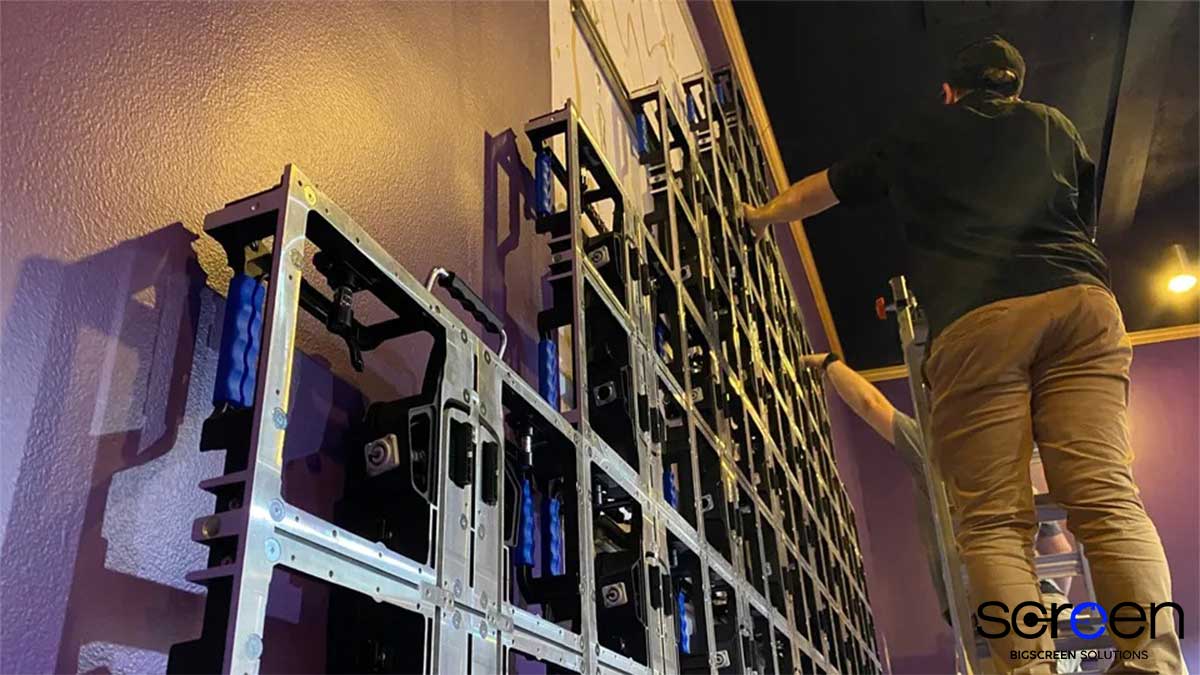
Installation processes differ substantially between indoor and outdoor LED systems. Indoor installations often involve wall mounting, ceiling suspension, or integration into existing interior designs. Power and data infrastructure is usually simpler, and maintenance access is easier.
Outdoor LED displays require robust mounting systems capable of withstanding wind loads and structural stress. Electrical systems must be weatherproof, and installation often involves permits, safety regulations, and engineering assessments.
Businesses that plan to hire led sign solutions for outdoor use must account for these additional logistical and regulatory requirements, which are rarely necessary for indoor installations.

Content Strategy and Use Cases
Indoor LED displays are commonly used in retail stores, corporate environments, exhibition halls, control rooms, and entertainment venues. They excel at delivering high-resolution content, branding visuals, presentations, and immersive experiences. Retailers often use indoor LED screens creatively, as demonstrated in discussions like 10 Creative Ways to Use LED Poster Displays in Your Store, where visual storytelling enhances customer engagement.
Outdoor LED displays are primarily used for large-scale advertising, public announcements, traffic information, and event broadcasting. Their strength lies in visibility and impact rather than fine detail.
Understanding content requirements is another critical step when comparing Indoor vs Outdoor LED Displays, as mismatched content strategies can undermine even the most advanced hardware.
Energy Consumption and Operational Efficiency
Energy efficiency is a growing concern for businesses investing in LED technology. Indoor LED displays generally consume less power due to lower brightness requirements and controlled environments. This makes them more suitable for continuous operation in commercial interiors.
Outdoor LED displays consume more energy, particularly during daylight hours when brightness levels are at their peak. However, modern outdoor systems incorporate intelligent power management, energy-efficient LEDs, and adaptive brightness controls to reduce long-term operating costs.
When evaluating Indoor vs Outdoor LED Displays, operational efficiency should be considered alongside upfront investment, especially for installations intended to run for extended periods.
Maintenance, Accessibility, and Service Life
Maintenance requirements vary significantly between indoor and outdoor LED displays. Indoor systems benefit from easier access, cleaner environments, and reduced exposure to damaging elements. This typically results in longer service intervals and lower maintenance costs.
Outdoor LED displays require more frequent inspections due to environmental exposure. Dust accumulation, moisture ingress, and temperature fluctuations can all affect performance over time. Selecting high-quality components and avoiding common pitfalls, such as those outlined in 5 Mistakes to Avoid When Investing in LED Signage, can significantly extend the lifespan of outdoor installations.
Maintenance considerations often become a deciding factor when businesses compare Indoor vs Outdoor LED Displays from a long-term ownership perspective.
Budget Considerations and Cost Differences
Cost is one of the most influential factors in LED display purchasing decisions. Indoor LED displays are generally more affordable due to simpler construction, lower brightness requirements, and reduced protective features. They offer excellent value for environments where extreme durability is unnecessary.
Outdoor LED displays command higher prices because of their rugged design, weatherproofing, and advanced brightness capabilities. Installation and maintenance costs are also typically higher.
However, cost should always be evaluated in context. An outdoor led screen may represent a higher initial investment, but its visibility and reach can deliver significantly greater marketing impact and revenue potential.
Choosing the Right LED Display for Your Needs
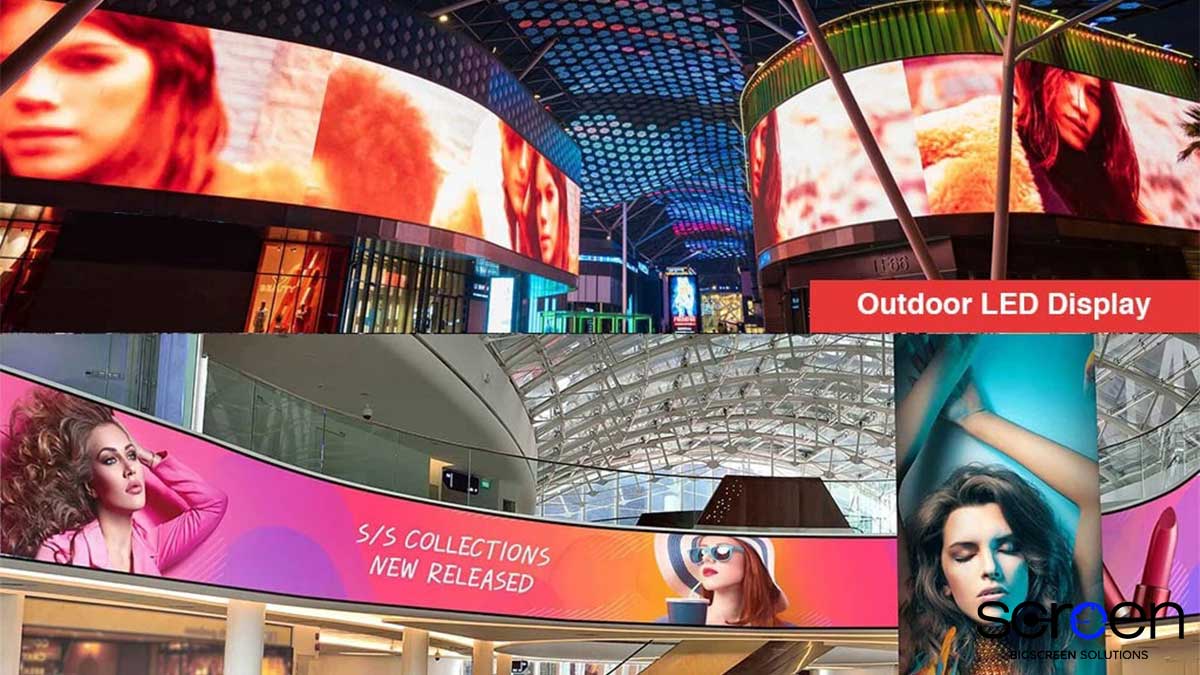
Selecting the right LED display requires a clear understanding of application goals, environmental conditions, audience distance, and content strategy. Decision-makers should avoid focusing solely on screen size or resolution and instead evaluate the entire system holistically.
Whether the goal is brand enhancement, advertising reach, or information delivery, aligning technical specifications with real-world usage is essential. This alignment is the foundation of a successful investment in Indoor vs Outdoor LED Displays and ensures that the chosen solution performs reliably throughout its lifecycle.
Conclusion
The difference between indoor and outdoor LED displays goes far beyond location. It encompasses design philosophy, performance capabilities, durability, installation complexity, and long-term value. Treating these systems as interchangeable often leads to underperformance, premature failure, and unnecessary costs.
By understanding the technical, environmental, and strategic distinctions discussed in this guide, businesses and organizations can make informed decisions that maximize both visual impact and return on investment. In an increasingly visual world, choosing the right LED display is not just a technical choice but a strategic one rooted in a deep understanding of Indoor vs Outdoor LED Displays and their role within modern communication environments.