


In today’s highly competitive visual economy, brands are no longer judged solely by their products or services. Audiences expect experiences, emotions, and narratives that feel authentic and memorable. Visual technologies have become essential tools in shaping these expectations, and among them, LED and video wall systems stand out as some of the most powerful mediums available. When used strategically, they allow brands to move beyond static messaging and create immersive environments that communicate values, identity, and purpose in real time.
The concept of LED brand storytelling has emerged as a response to this shift. Rather than simply displaying promotional content, brands now use dynamic visual environments to tell cohesive stories across physical spaces. These stories unfold through motion, light, scale, and interaction, creating a deeper connection between the brand and its audience. From retail showrooms to corporate lobbies and exhibition spaces, LED technology has become a narrative platform rather than just a display surface.

Brand Storytelling in Physical Spaces
Brand storytelling is traditionally associated with advertising campaigns, social media content, or video commercials. However, physical environments are increasingly becoming key storytelling channels. When a customer enters a space, the visual language surrounding them shapes perception instantly, often before any human interaction occurs.
LED-based environments allow brands to control this first impression with precision. Colors, motion graphics, typography, and cinematic visuals can all be orchestrated to reflect brand tone and values. Unlike printed visuals or static signage, LED systems can evolve throughout the day, adapt to different audiences, or respond to live data. This flexibility transforms storytelling from a one-way message into a living experience.
What makes this approach particularly effective is its ability to unify digital narratives with physical presence. Brands can extend their online identity into real-world spaces without losing consistency, creating a seamless digital brand experience that feels intentional and modern.
Why LED and Video Walls Are Ideal Storytelling Tools?
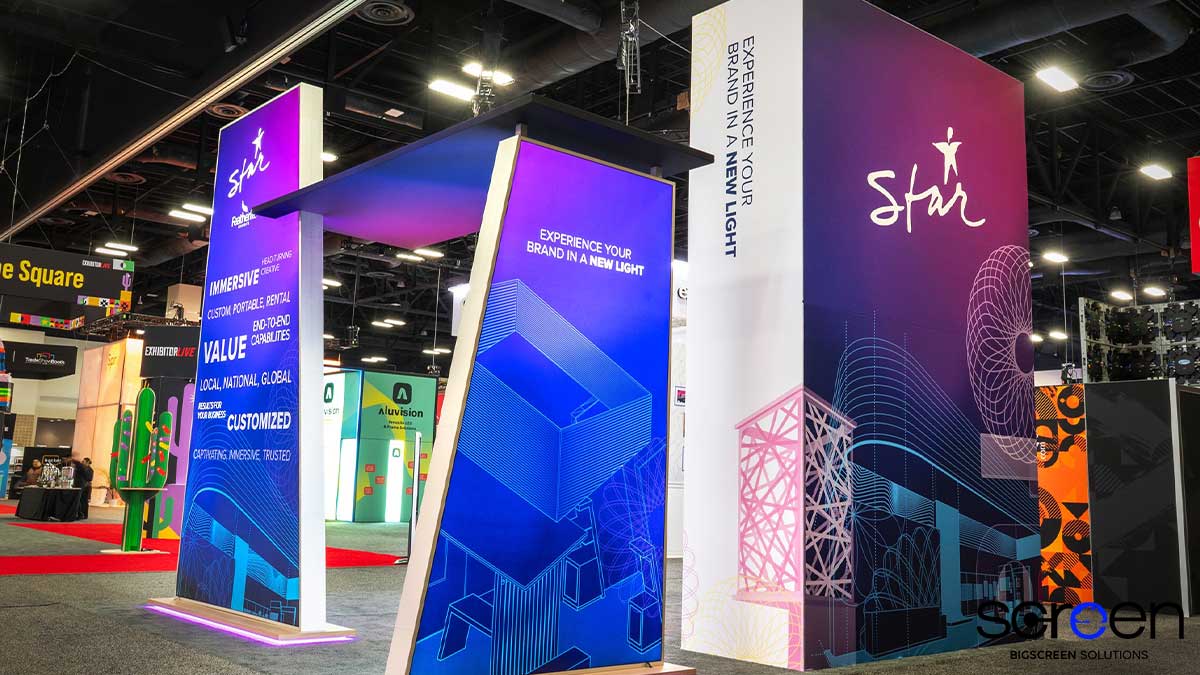
LED technology offers several advantages that make it uniquely suited for storytelling applications. First, brightness and clarity ensure visibility in almost any lighting condition, which is essential for public or commercial environments. Second, modular design allows video walls to be customized in size, shape, and resolution, enabling creative freedom without architectural limitations.
Beyond technical benefits, LED walls provide emotional impact. Movement captures attention more effectively than static images, and large-scale visuals can evoke feelings of awe, curiosity, or excitement. When storytelling relies on emotion rather than information alone, these qualities become invaluable.
Another critical factor is longevity. Content on LED walls can be updated without physical replacement, allowing brands to refresh narratives, launch campaigns, or respond to trends instantly. This adaptability supports long-term storytelling strategies rather than one-off visual installations.

Story Architecture: Turning Visuals Into Narratives
Effective storytelling through LED systems requires structure. Random visuals or disconnected animations may look impressive, but they fail to communicate a coherent message. Successful brands treat LED walls as narrative canvases, where each visual element serves a purpose.
A strong visual story often begins with a clear narrative arc. This may include an introduction that establishes brand identity, a middle phase that highlights values or innovation, and a conclusion that reinforces trust or aspiration. Motion design, pacing, and transitions play a crucial role in guiding viewers through this arc.
Sound design, interactive elements, and synchronized lighting can further enhance immersion. While not every installation requires interactivity, even subtle motion cues can make audiences feel involved rather than passive. Over time, these experiences build familiarity and emotional attachment, which are core goals of LED brand storytelling.
Retail Environments and Emotional Engagement
Retail spaces are among the most effective environments for LED-based storytelling. Consumers increasingly seek experiences rather than transactions, and visual storytelling helps brands differentiate themselves in crowded markets. By using immersive LED environments, retailers can showcase lifestyle concepts, brand heritage, or product journeys rather than focusing solely on price or features.
For example, a LED Video Wall for Retail Stores can transform a storefront into a dynamic narrative space. Seasonal themes, product launches, or brand missions can be communicated through cinematic visuals that evolve over time. This approach not only attracts attention but also increases dwell time, which has a direct impact on purchasing behavior.
Importantly, these visual stories can be localized or personalized. Content can reflect cultural moments, regional preferences, or even time-of-day moods, making the brand feel more responsive and human.
Corporate Spaces and Brand Identity
Corporate environments such as headquarters, reception areas, and conference centers are increasingly using LED technology to express brand identity internally and externally. These spaces are often the first point of contact for partners, investors, and employees, making storytelling especially important.
Through carefully curated visual content, companies can communicate their mission, innovation roadmap, or social responsibility initiatives. Large-scale LED installations can visualize data, showcase milestones, or tell the story of the company’s evolution in a compelling way.
In professional settings, Presentations with LED Video Wall systems elevate communication by combining scale with clarity. Instead of traditional slides, narratives unfold across expansive visual surfaces, reinforcing credibility and professionalism while keeping audiences engaged.
The Role of Installation and Technical Precision
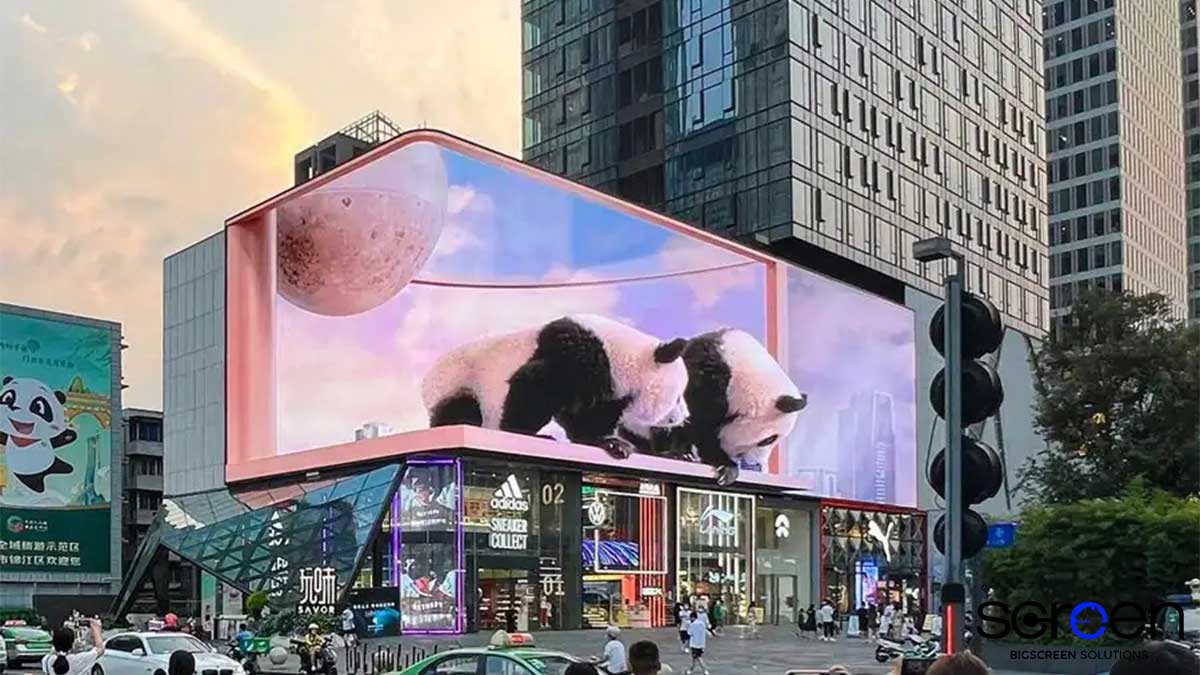
While creative vision is essential, technical execution determines whether a storytelling concept succeeds or fails. Factors such as resolution, pixel pitch, viewing distance, and content synchronization all influence the final experience. Without proper planning, even the most compelling story can lose impact.
This is why professional LED wall installation plays a critical role in brand storytelling projects. Skilled installation ensures seamless visuals, consistent color calibration, and long-term reliability. It also allows creative teams to design content without being constrained by technical limitations.
Moreover, proper installation supports scalability. As brand needs evolve, well-installed systems can be expanded, reconfigured, or upgraded without disrupting the overall narrative environment.
Integrating Content Strategy With Visual Technology
Technology alone does not tell stories; content does. Brands that succeed with LED-based storytelling invest in content strategy as much as hardware. This includes defining key messages, audience personas, tone of voice, and visual style guidelines.
Content must be designed specifically for large-format displays. Elements such as pacing, contrast, and motion intensity differ significantly from mobile or desktop screens. When done correctly, visuals feel cinematic rather than overwhelming.
Consistency across platforms is also essential. LED environments should reinforce, not contradict, digital campaigns, social media presence, and offline branding. This alignment strengthens recognition and trust, reinforcing a unified digital brand experience across all touchpoints.

Measuring the Impact of Visual Storytelling
One of the advantages of digital storytelling environments is measurability. Brands can track engagement metrics such as foot traffic, dwell time, and interaction rates before and after installation. In some cases, content can be adjusted in real time based on audience behavior.
Qualitative feedback is equally valuable. Emotional responses, brand recall, and perception shifts often provide deeper insight into storytelling effectiveness. Over time, these metrics help brands refine their narratives and optimize content strategies.
As LED systems become more integrated with data platforms, storytelling will become increasingly adaptive. Visual narratives may respond to live events, customer preferences, or environmental factors, further enhancing relevance and impact.
Future Trends in LED-Based Brand Narratives
The future of brand storytelling through LED technology is closely tied to innovation in content, interactivity, and sustainability. Advances in resolution and transparency are enabling more architectural integration, while AI-driven content personalization is opening new creative possibilities.
Sustainability is also becoming a key consideration. Energy-efficient LED solutions and responsible content scheduling allow brands to reduce environmental impact without compromising visual quality. As audiences become more conscious of sustainability, transparent communication through storytelling becomes even more important.
Ultimately, brands that embrace LED brand storytelling as a long-term strategy rather than a visual trend will be best positioned to build meaningful, lasting relationships with their audiences.
Conclusion
LED and video wall technologies have transformed the way brands communicate in physical spaces. By combining immersive visuals with narrative structure, brands can create environments that inform, inspire, and connect on an emotional level. From retail spaces to corporate environments, these systems enable storytelling that is dynamic, adaptable, and deeply engaging.
When supported by thoughtful content strategy and precise technical execution, LED-based storytelling becomes more than a design choice. It becomes a strategic asset that shapes perception, builds trust, and reinforces identity over time.
For brands looking to elevate their visual communication and create impactful storytelling environments, working with experienced partners such as bigledscreen can ensure that both creative vision and technical excellence come together seamlessly.