


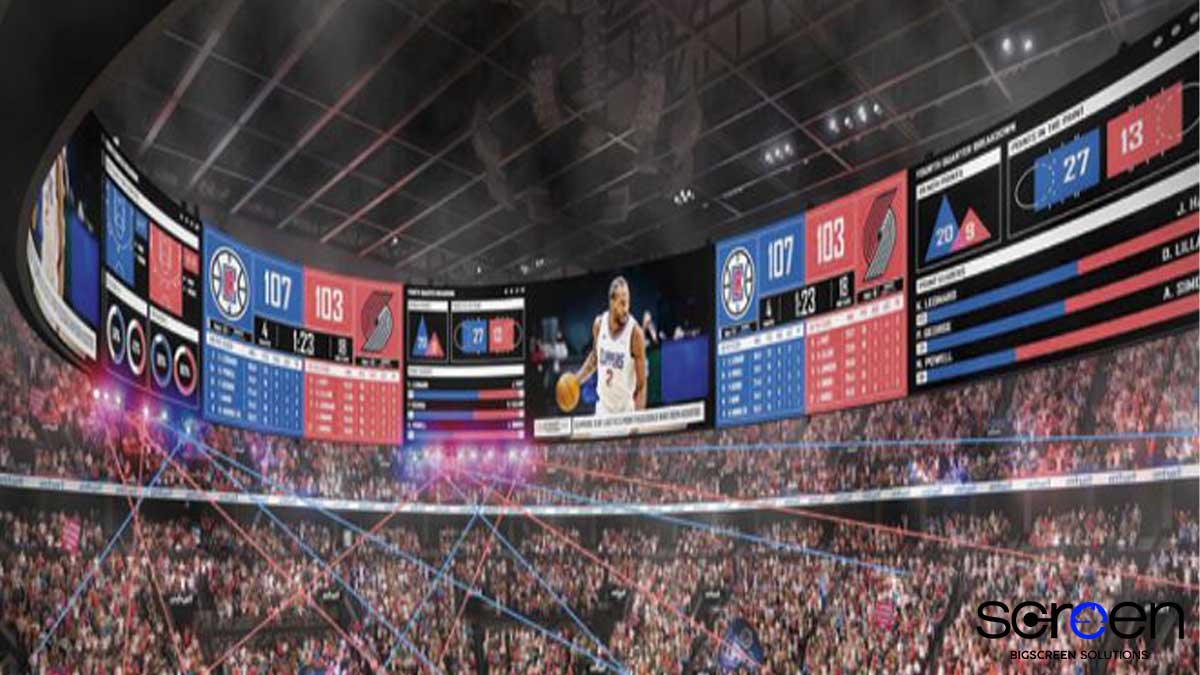
Over the past two decades, the sports industry has undergone a major digital transformation, and visual technology has been at the heart of this evolution. From local arenas to world-class stadiums, high-resolution LED displays have become an essential component of modern sports infrastructure. Fans today expect immersive visuals, real-time information, and engaging entertainment beyond the game itself. This shift has positioned LED display in sports stadiums as a critical investment rather than a luxury.
As competition for audience attention intensifies, stadium operators, event organizers, and sports brands rely on advanced display solutions to enhance fan experience, boost sponsorship value, and optimize operational efficiency. The integration of dynamic visuals, live statistics, instant replays, and targeted advertising has fundamentally changed how spectators interact with sports environments. Understanding how these systems work and why they matter is essential for anyone involved in the sports and venue management industry.

LED Display Technology in Sports Environments
At its core, LED display technology uses light-emitting diodes to produce bright, high-contrast visuals that remain clear under various lighting conditions. In sports venues, this capability is particularly important due to large viewing distances, outdoor exposure, and fast-moving content. LED display in sports stadiums must meet strict performance standards, including high refresh rates, weather resistance, and long operational lifespans.
Unlike traditional scoreboards or projection systems, LED screens offer modular design, allowing them to be customized for different stadium layouts. They can be installed as giant video walls, ribbon boards, perimeter advertising panels, or even 360-degree displays surrounding the arena. This flexibility enables venues to deliver consistent visual quality across multiple touchpoints, ensuring every spectator has access to key information and entertainment regardless of seating position.
Enhancing Fan Experience Through Visual Engagement
One of the most significant benefits of LED screens in sports venues is their ability to elevate the overall fan experience. Modern audiences expect more than just the live match; they want replays, close-up shots, statistics, animations, and interactive content. By using LED display in sports stadiums, venues can transform passive spectators into fully engaged participants.
High-definition visuals allow fans to follow every moment of the game, even when action occurs far from their seats. Slow-motion replays, player profiles, and real-time analytics add depth to the viewing experience. In addition, creative content such as crowd prompts, social media integrations, and branded animations keeps energy levels high throughout the event. This approach aligns closely with the evolution of sports LED screen technology as a storytelling tool rather than a simple display medium.
Commercial and Advertising Value for Stadium Operators
Beyond fan engagement, LED displays serve as powerful commercial assets. Stadiums are no longer just sports venues; they are multi-purpose entertainment hubs. Digital screens provide premium advertising space that can be updated instantly and targeted to specific audiences. For sponsors, this means greater flexibility and higher return on investment.
Strategically placed displays allow brands to showcase dynamic content before, during, and after events. For example, perimeter boards can rotate advertisements based on game phases, while large video walls can highlight sponsors during key moments. In urban venues, insights from studies such as 7 suitable places to install urban displays help operators maximize visibility both inside and outside stadium environments, bridging the gap between sports marketing and city-wide digital communication.

Operational Efficiency and Real-Time Communication
Another often overlooked advantage of LED systems is their role in stadium operations. Clear, centralized communication is essential in large venues that host tens of thousands of spectators. LED displays enable real-time updates related to scheduling, safety instructions, weather alerts, and crowd management.
During high-traffic events, visual guidance helps reduce congestion and improve visitor flow. Emergency messaging can be deployed instantly across all screens, ensuring rapid response when needed. This practical application of LED display in sports stadiums highlights their value beyond entertainment, reinforcing their importance in safety and logistics planning.
 Considerations and Investment Planning
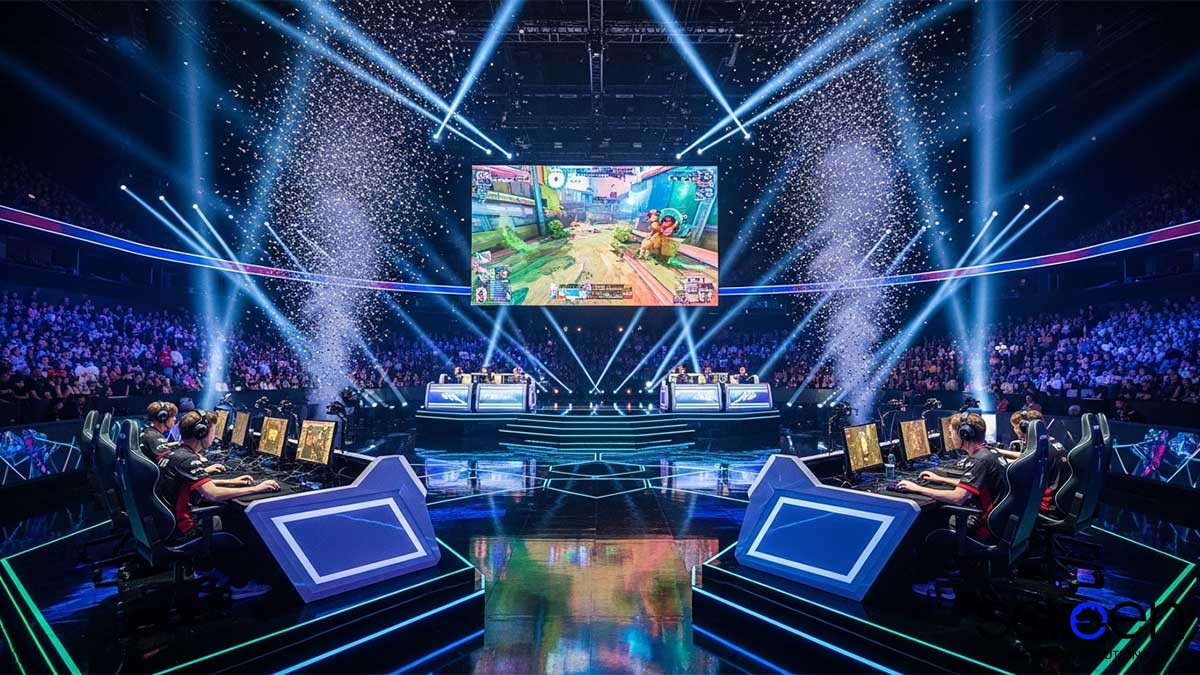 Considerations and Investment Planning
While LED display systems represent a significant upfront investment, their long-term benefits often outweigh initial costs. Factors such as screen size, pixel pitch, brightness level, and installation complexity all influence pricing. Industry discussions like How Much Does Digital Signage Cost? provide useful benchmarks for venue managers evaluating different solutions.
When compared to traditional static signage, LED displays offer lower long-term costs due to durability, reduced maintenance, and content flexibility. The ability to update visuals digitally eliminates recurring printing expenses and allows venues to adapt messaging instantly. As sports LED screen technology continues to advance, energy efficiency improvements further enhance cost-effectiveness over time.
Indoor vs Outdoor LED Displays in Stadiums
Sports venues typically require a combination of indoor and outdoor display solutions, each with unique technical requirements. Outdoor screens must withstand harsh weather conditions, including rain, dust, and direct sunlight. High brightness levels and robust enclosures are essential to maintain visibility and performance.
Indoor displays, on the other hand, prioritize pixel density and viewing comfort. These screens are often used in concourses, VIP lounges, and press areas where spectators view content from shorter distances. Selecting the right configuration ensures that LED display in sports stadiums delivers consistent quality across all areas of the venue without compromising durability or visual clarity.
Branding, Wayfinding, and Venue Identity
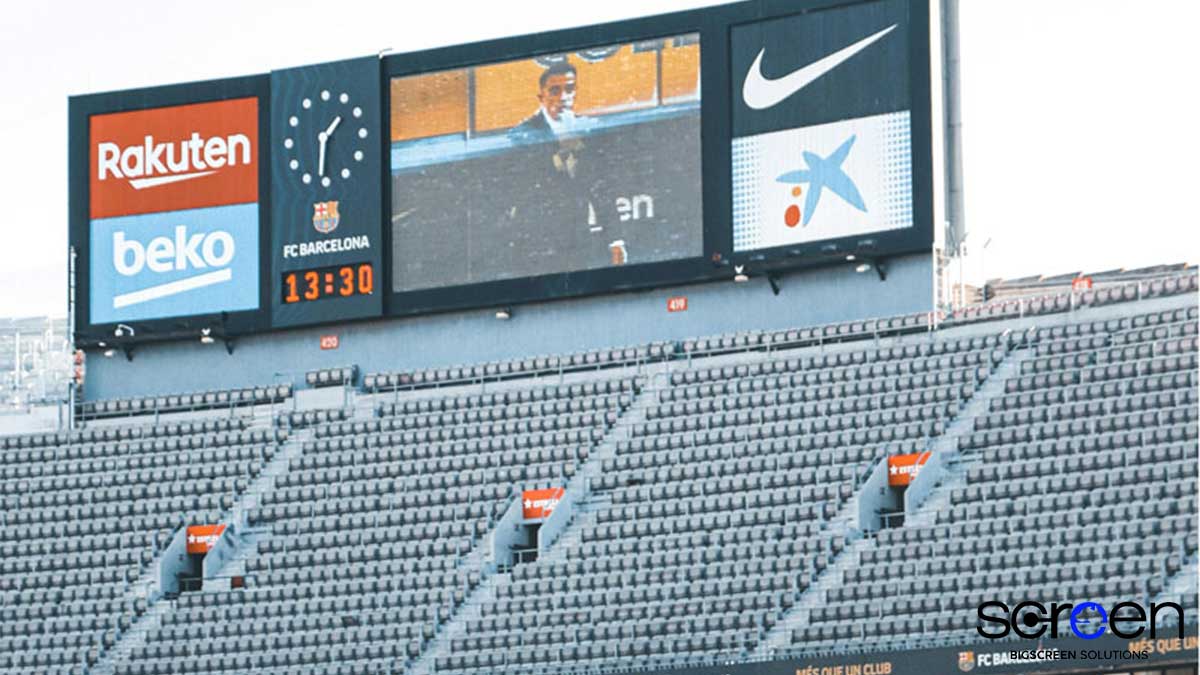
LED screens play a crucial role in shaping a stadium’s visual identity. From entrance displays to internal navigation systems, digital visuals help reinforce branding and improve visitor orientation. Clear wayfinding reduces confusion and enhances the overall guest experience, particularly in large or unfamiliar venues.
Creative use of content, typography, and motion graphics allows stadiums to maintain a cohesive aesthetic across events. Whether hosting a football match, concert, or international tournament, LED displays adapt seamlessly to different themes and branding requirements. This versatility supports long-term venue value and positions LED display in sports stadiums as a strategic branding tool.
Temporary Solutions and Event-Based Installations
Not all sports events require permanent installations. For temporary tournaments, exhibitions, or seasonal competitions, flexible display solutions are often preferred. Options such as a hire led sign allow organizers to deploy high-quality visuals without committing to permanent infrastructure.
Temporary LED systems are particularly useful for pop-up events, fan zones, and promotional activations. They offer quick setup, scalability, and professional-grade performance. This approach enables smaller venues or event organizers to leverage sports LED screen technology without exceeding budget constraints.

Quality, Reliability, and Brand Selection
Choosing the right LED display supplier is critical for long-term success. Factors such as product quality, technical support, and warranty coverage should all be considered. Industry comparisons like Top 10 Outdoor LED Display Brands help decision-makers evaluate options based on performance, reliability, and innovation.
High-quality components ensure consistent brightness, accurate color reproduction, and long operational lifespans. Reliable suppliers also provide ongoing support, software updates, and maintenance services. In high-profile sports environments, where downtime can impact revenue and reputation, dependable LED systems are non-negotiable.
Sustainability and Energy Efficiency
As sustainability becomes a priority across industries, sports venues are increasingly focused on reducing environmental impact. Modern LED displays consume significantly less energy than older display technologies while delivering superior performance. Advanced power management systems and automatic brightness adjustment contribute to lower electricity usage.
By investing in efficient LED display in sports stadiums, venues can align with green initiatives and regulatory standards. Reduced energy consumption not only benefits the environment but also lowers operating costs, making sustainability a financially sound decision.
Future Trends in Sports LED Screen Technology
The future of LED displays in sports environments is driven by innovation and integration. Emerging trends include ultra-fine pixel pitches, transparent LED panels, and interactive touch-enabled surfaces. These advancements enable more immersive experiences and creative content possibilities.
Data integration is another key trend. Displays increasingly sync with live data feeds, wearable technology, and mobile apps to deliver personalized content. As sports LED screen technology evolves, venues will continue to blur the line between physical and digital experiences, redefining how fans engage with live events.
Conclusion
The impact of LED displays on the sports industry is undeniable. From enhancing fan engagement and generating advertising revenue to improving safety and operational efficiency, these systems have become indispensable. Strategic investment in LED display in sports stadiums enables venues to stay competitive, adaptable, and future-ready.
As technology advances, the role of digital visuals will only expand, offering new opportunities for innovation and connection. For stadium operators, event organizers, and sports brands seeking reliable, high-performance solutions, partnering with experienced providers is essential. Companies like bigledscreen play a vital role in delivering cutting-edge LED display solutions that meet the evolving demands of modern sports venues.