


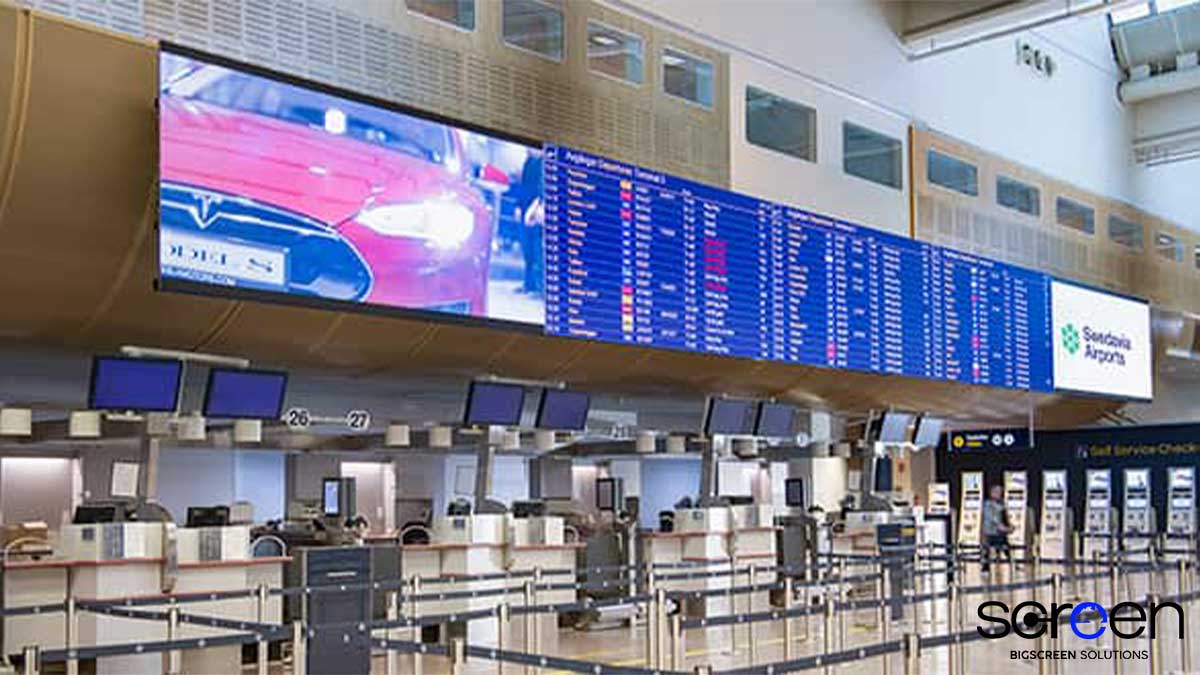
Transportation hubs such as train stations, metro terminals, and airports are among the busiest public spaces in modern cities. Every day, millions of passengers rely on accurate information, clear navigation, and real-time updates to move efficiently through these environments. In recent years, visual communication has become a critical component of transportation infrastructure, and LED display in transportation has emerged as one of the most effective solutions to meet these demands.
Unlike traditional static signage, LED-based systems provide flexibility, clarity, and immediacy. They allow operators to communicate with passengers dynamically, adapt content to changing conditions, and enhance both safety and user experience. As cities grow smarter and mobility becomes more complex, the integration of advanced display technologies is no longer optional but essential.

Visual Communication in Transportation Systems
Modern transportation networks operate in fast-paced, high-pressure environments. Passengers need instant access to schedules, delays, platform changes, boarding instructions, and emergency alerts. Any breakdown in communication can lead to confusion, congestion, and safety risks. This is where LED display in transportation plays a pivotal role.
LED displays deliver high visibility even in challenging lighting conditions, such as open-air platforms or brightly lit airport terminals. Their ability to present multilingual content, animations, and real-time data ensures that information reaches a diverse audience quickly and effectively. As transportation digital signage evolves, it becomes a central nervous system for mobility hubs, connecting operators and passengers through visual clarity.
LED Displays in Train Stations and Metro Networks
Railway stations and metro systems are prime examples of environments that benefit from advanced display solutions. These locations often span large areas with multiple platforms, entrances, and transfer points. LED screens provide consistent information across all zones, reducing passenger stress and improving flow.
Departure boards, platform indicators, and wayfinding screens powered by LED display in transportation can be updated instantly to reflect service changes. This real-time adaptability is especially valuable during peak hours or service disruptions. In addition, LED displays support accessibility by offering clear visuals for hearing-impaired passengers and intuitive icons for international travelers.
Enhancing Airport Operations with LED Technology
Airports are complex ecosystems that operate 24/7 and handle massive volumes of travelers. From check-in halls to boarding gates, clear communication is essential at every stage of the passenger journey. LED displays have become a cornerstone of airport operations, supporting everything from flight information to security messaging.
High-resolution screens ensure that flight details remain legible from long distances, while dynamic layouts allow operators to prioritize critical updates. In this context, LED display in transportation is not just about convenience but also about operational efficiency and passenger confidence. When travelers trust the information they see, overall satisfaction and compliance increase.
Passenger Experience and Wayfinding
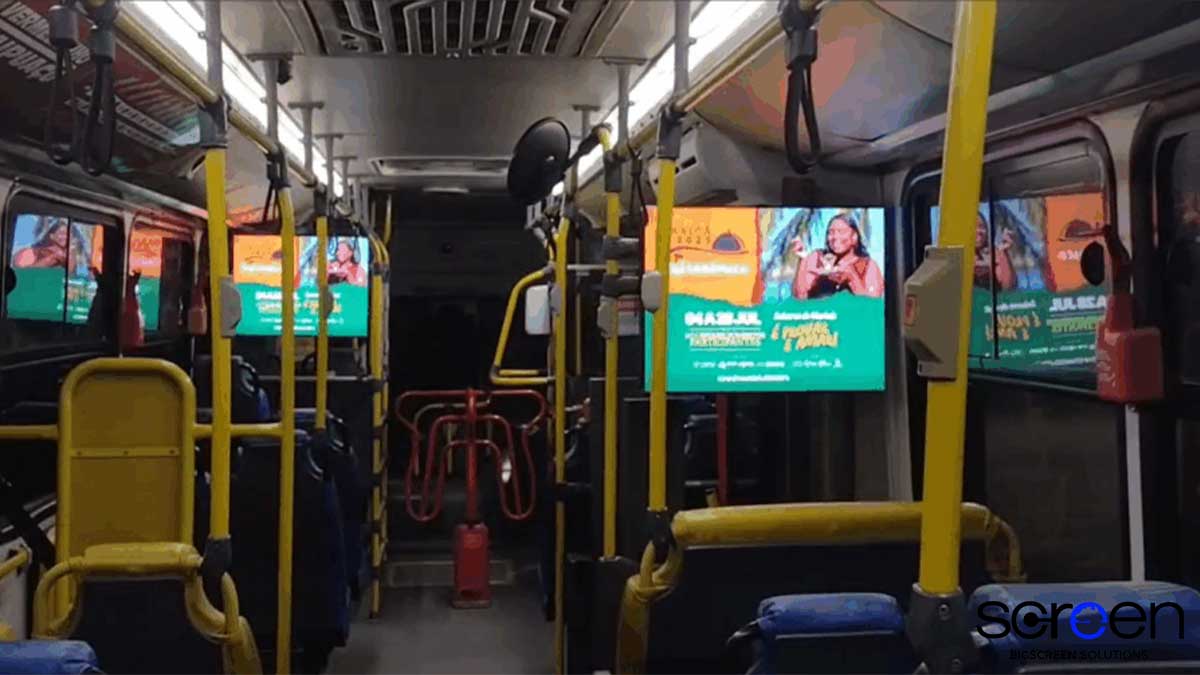
Navigating a large transportation hub can be overwhelming, especially for first-time visitors. LED displays significantly improve wayfinding by providing clear directions, maps, and contextual guidance. Animated arrows, color-coded routes, and real-time congestion updates help passengers make informed decisions quickly.
Studies and planning frameworks such as 7 suitable places to install urban displays highlight the strategic value of placing digital screens at decision points like entrances, intersections, and transition zones. In transportation hubs, these placements reduce bottlenecks and enhance the overall flow of people, reinforcing the value of transportation digital signage as a user-centric solution.
Safety, Emergency Messaging, and Crowd Management
Safety is a top priority in any transportation environment. LED displays enable instant communication during emergencies, such as evacuations, weather disruptions, or security incidents. Centralized control systems allow operators to broadcast uniform messages across all screens simultaneously.
In high-density spaces, visual alerts are often more effective than audio announcements, which can be missed due to noise or language barriers. By leveraging LED display in transportation, authorities can guide passengers calmly and clearly, minimizing panic and confusion. This capability makes LED systems a critical component of modern safety infrastructure.
Advertising and Revenue Opportunities
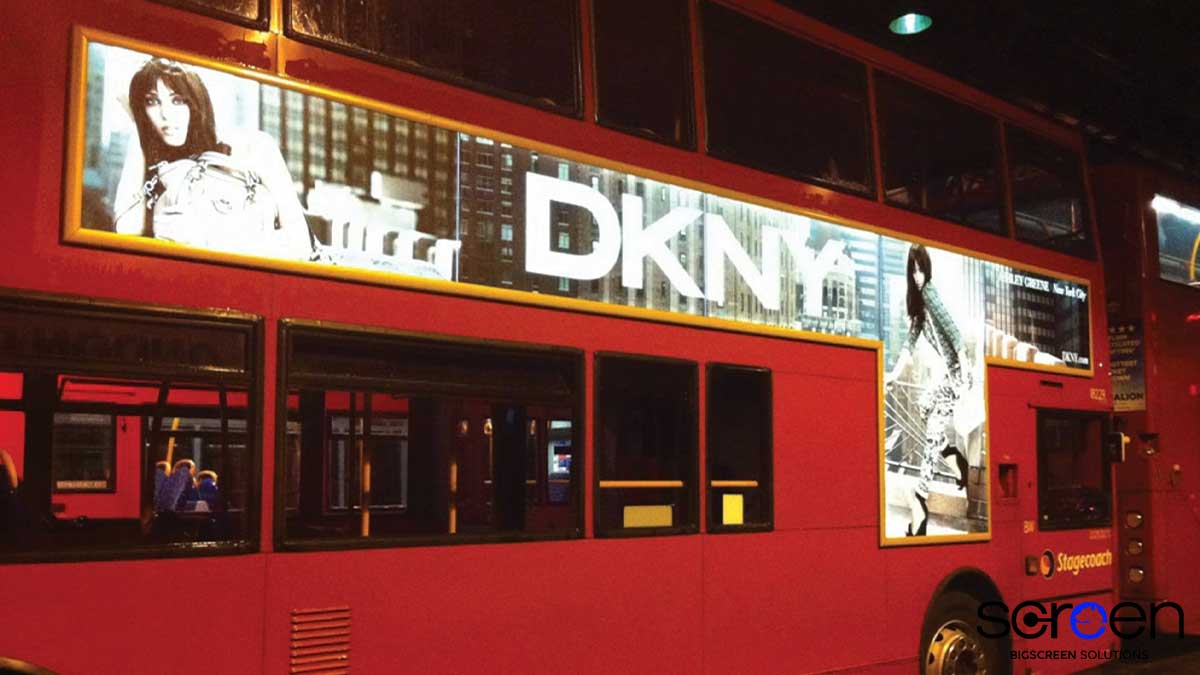
Beyond operational use, LED displays also create valuable commercial opportunities. Transportation hubs attract captive audiences with high dwell times, making them ideal environments for digital advertising. Brands benefit from prominent visibility, while operators generate additional revenue streams.
Dynamic advertising content can be tailored to time of day, passenger demographics, or travel patterns. Compared to traditional posters, LED-based advertising offers flexibility and higher engagement. Questions like How Much Does Digital Signage Cost? often arise during planning stages, but many operators find that advertising revenue helps offset initial investments over time.
Outdoor Displays in Transportation Infrastructure
Not all transportation displays are located indoors. Exterior facades, drop-off zones, parking areas, and nearby roadways also rely on visual communication. Outdoor Digital Signage powered by LED technology ensures visibility in sunlight, rain, and varying weather conditions.
These outdoor screens can display arrival information, traffic guidance, public announcements, or promotional content. Their durability and brightness make them suitable for continuous operation in demanding environments. As cities integrate transportation hubs into broader urban landscapes, outdoor LED displays become a bridge between mobility and public communication.

Technology Reliability and Brand Selection
Transportation authorities require display systems that operate reliably under constant use. Downtime can disrupt operations and erode public trust. Choosing high-quality components and experienced suppliers is therefore essential.
Industry benchmarks such as Top 10 Outdoor LED Display Brands are often consulted during procurement processes to assess performance, longevity, and support services. Reliable hardware, combined with responsive technical support, ensures that LED display in transportation systems meet the rigorous demands of daily operation in critical infrastructure.
Integration with Smart Transportation Systems
As transportation networks adopt smart technologies, LED displays increasingly integrate with data platforms, sensors, and control systems. Real-time feeds from scheduling software, GPS tracking, and passenger counting systems allow displays to present accurate, context-aware information.
This integration transforms screens into interactive nodes within a larger digital ecosystem. In some cases, insights drawn from related sectors, such as LED Display Technology in Modern Sports Stadiums, inform best practices for managing large crowds and delivering engaging content in high-traffic environments. These cross-industry learnings accelerate innovation in transportation digital signage.
Sustainability and Energy Efficiency
Energy consumption is a major consideration for large transportation facilities. Modern LED displays are designed with efficiency in mind, consuming significantly less power than older display technologies. Features such as automatic brightness adjustment further reduce energy usage without compromising visibility.
By investing in efficient LED display in transportation, operators align with sustainability goals while lowering long-term operating costs. This balance between performance and environmental responsibility makes LED technology an attractive choice for future-focused transportation planning.
The Future of LED Displays in Transportation
Looking ahead, LED displays will continue to evolve alongside transportation systems. Emerging trends include ultra-thin panels, transparent displays, and interactive touch-enabled surfaces. These innovations open new possibilities for passenger engagement and information delivery.
Artificial intelligence and data analytics will further enhance content personalization, ensuring that displays show the most relevant information at the right time. As cities pursue smarter mobility solutions, LED display in transportation will remain a foundational element, supporting efficiency, safety, and user satisfaction.
Conclusion
From train stations to airports, LED displays have reshaped how transportation systems communicate with passengers. Their ability to deliver real-time information, enhance safety, generate revenue, and improve overall experience makes them indispensable in modern mobility hubs. Strategic deployment of LED display in transportation is no longer just a technological upgrade but a fundamental investment in operational excellence.
As transportation networks grow more complex, the demand for reliable, high-performance visual solutions will continue to rise. Companies like bigledscreen play a key role in delivering advanced LED display solutions tailored to the unique challenges of transportation environments, helping cities and operators build smarter, more connected journeys for the future.