


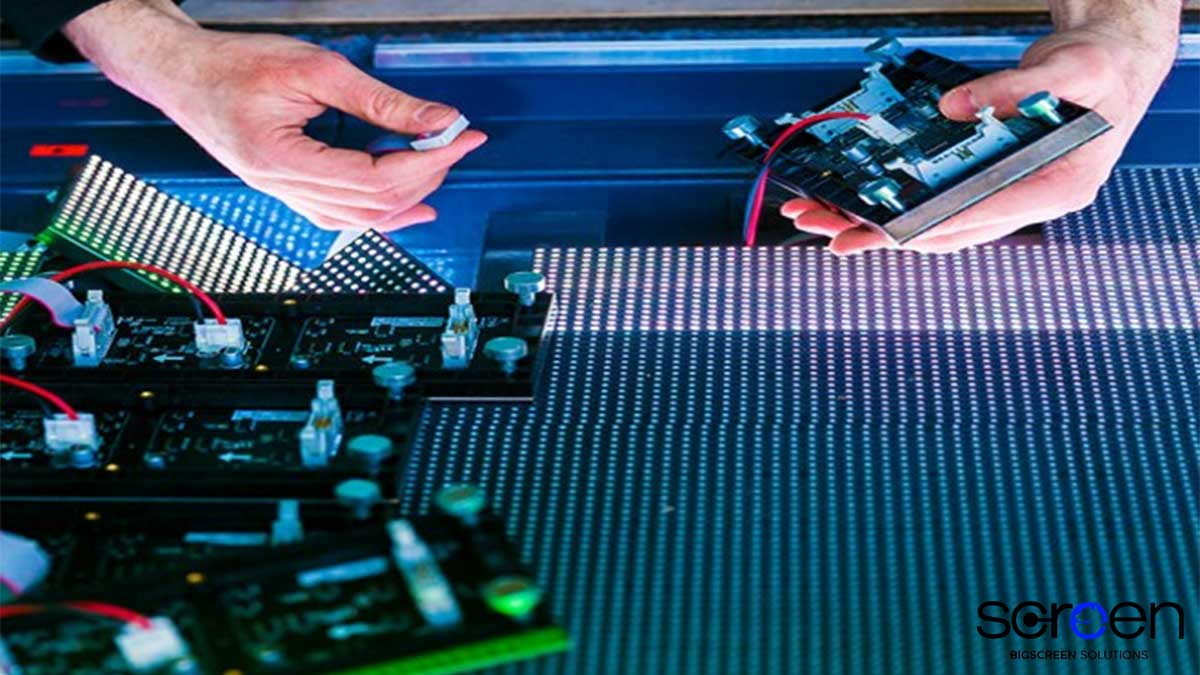
LED displays have become an essential component of modern visual communication, widely used in commercial spaces, public areas, and corporate environments. While these systems offer high brightness, durability, and flexibility, improper installation or poor maintenance can lead to serious safety risks, equipment damage, and costly downtime. Understanding and applying LED display safety principles is not only a technical requirement but also a responsibility toward users, technicians, and the surrounding environment. From structural preparation to routine inspections, every stage of an LED display’s lifecycle demands careful attention to safety standards.
Unlike traditional signage, LED displays involve complex electrical systems, heavy structural components, and continuous operation. Ignoring safety considerations may result in electrical hazards, mechanical failures, or premature system breakdown. This article provides a complete and practical guide to safe installation and long-term maintenance of LED displays, ensuring reliability, performance, and compliance with professional standards.

Pre-Installation Safety Planning and Risk Assessment
Before any physical installation begins, thorough planning is essential. Site evaluation should identify potential hazards such as unstable surfaces, limited ventilation, moisture exposure, or inadequate power infrastructure. One of the foundational steps in LED display safety is understanding the environment where the display will operate. Indoor and outdoor installations require different safety approaches, and overlooking these differences is a common cause of system failure.
Structural load analysis is particularly important. LED displays, especially large-format systems, can weigh hundreds of kilograms. The supporting wall, truss, or frame must be capable of handling both static and dynamic loads. Environmental factors such as wind pressure for outdoor displays must also be considered. In urban planning discussions, topics like 7 suitable places to install urban displays often highlight the importance of choosing locations that support both visibility and safety.
Electrical infrastructure must be assessed in advance. Power supply capacity, grounding systems, and circuit protection devices should meet local electrical codes. Poor planning at this stage often leads to emergency modifications later, increasing risk and cost.
Structural Safety During Installation
The physical installation process presents some of the highest safety risks. Technicians work at heights, handle heavy components, and operate tools in constrained environments. Proper training and protective equipment are non-negotiable. Helmets, harnesses, insulated gloves, and anti-slip footwear should be standard requirements on every installation site.
Mounting structures must be assembled with precision. Even minor alignment errors can compromise stability and lead to vibration or stress over time. Secure fastening, torque-controlled bolts, and reinforced joints are essential elements of LED display safety, particularly for outdoor and high-traffic locations. Installers should follow manufacturer guidelines strictly and avoid improvisation.
Access routes for maintenance should also be planned during installation. Displays that are difficult to reach often suffer from neglected inspections, increasing the likelihood of hidden failures.
Electrical Safety and Power Management
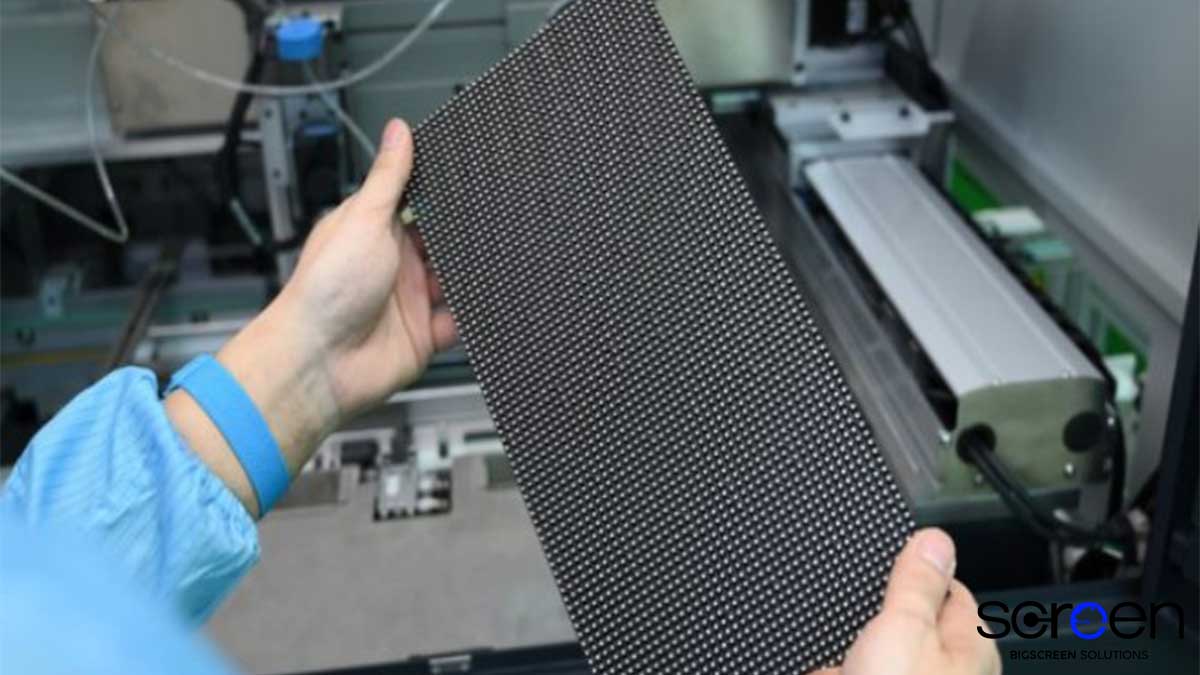
Electrical risks are among the most serious dangers associated with LED displays. High voltage, continuous power consumption, and environmental exposure require strict electrical safety protocols. Proper grounding is critical to prevent electric shock and protect components from power surges. Surge protection devices and circuit breakers should be installed to handle voltage fluctuations.
Cable management is another key aspect. Exposed or poorly organized cables increase fire risk and interfere with ventilation. All connections should be insulated, labeled, and routed away from sharp edges or heat sources. Implementing robust electrical protection measures ensures system stability and protects both equipment and personnel.
Power systems should also be designed for redundancy in critical installations. Unexpected power loss can damage control systems and disrupt operations, making reliable power management a central pillar of LED display safety.
Environmental Protection and Weather Resistance
Environmental factors significantly affect LED display performance and safety. Outdoor displays must be designed to withstand rain, dust, temperature extremes, and UV exposure. Proper enclosure ratings, waterproof seals, and corrosion-resistant materials are essential.
Ventilation and cooling systems play a crucial role in preventing overheating. LED modules generate heat during operation, and inadequate airflow can shorten lifespan or cause sudden failure. Regular inspection of fans and filters helps maintain thermal balance.
Understanding environmental risks also helps businesses evaluate long-term costs, often raised in discussions like How Much Does Digital Signage Cost?, where maintenance and environmental protection significantly influence total ownership expenses.
Safe Handling and Module Replacement
Routine maintenance and occasional repairs are unavoidable. During these activities, safety protocols must remain a priority. Power should always be disconnected before handling internal components. Technicians should follow lockout and tagout procedures to prevent accidental reactivation.
Handling LED modules requires care to avoid static discharge and physical damage. Using anti-static tools and proper lifting techniques reduces the risk of injury and component failure. Modular systems such as LED Video Wall Panels simplify maintenance but still demand careful handling to preserve alignment and electrical integrity.

Improper maintenance practices are frequently listed among common industry errors, similar to those discussed in 5 Mistakes to Avoid When Investing in LED Signage Displays for the First Time, where safety oversights often lead to premature system failure.
Content Management and Operational Safety
Operational safety extends beyond hardware. Content displayed on LED screens should be managed responsibly, especially in public or traffic-facing locations. Excessive brightness, flashing content, or rapid motion can cause distraction or discomfort. Brightness levels should be adjusted based on ambient light conditions to maintain visibility without causing glare.
Control systems must be secured to prevent unauthorized access. Cybersecurity is an often-overlooked aspect of LED display safety, yet compromised systems can display inappropriate content or disrupt operations. Secure networks, access controls, and regular software updates reduce these risks.
Displays used for promotional purposes, such as an LED Poster Display Stand, should be positioned to avoid obstructing walkways or emergency exits, ensuring both visibility and public safety.

Regular Inspection and Preventive Maintenance
Preventive maintenance is essential for long-term safety and performance. Scheduled inspections should include structural components, electrical connections, cooling systems, and software functionality. Early detection of wear, corrosion, or loose connections prevents accidents and extends system lifespan.
Documentation plays a critical role in maintenance. Keeping detailed records of inspections, repairs, and upgrades helps identify recurring issues and supports compliance with safety regulations. Preventive maintenance reinforces LED display safety by shifting focus from reactive repairs to proactive risk management.
In large-scale installations, maintenance strategies are often influenced by industry benchmarks and supplier reliability, commonly referenced in evaluations like Top 10 Outdoor LED Display Brands.
Training and Compliance with Standards
Safety depends heavily on the competence of the people involved. Installation and maintenance teams should receive regular training on updated standards, new technologies, and emergency procedures. Compliance with local and international safety regulations ensures consistency and accountability.
Clear communication between manufacturers, installers, and operators reduces misunderstandings and improves response times during incidents. Well-trained teams are better equipped to uphold LED display safety throughout the system’s operational life.
Final Thoughts
Installing and maintaining LED displays safely requires a holistic approach that combines planning, technical expertise, environmental awareness, and ongoing maintenance. From structural stability and electrical integrity to operational control and routine inspections, every element contributes to overall system safety.
By prioritizing LED display safety at every stage, businesses protect their investment, ensure uninterrupted operation, and safeguard people and property. For organizations seeking professional guidance, reliable products, and expert support in LED display solutions, bigledscreen provides comprehensive services designed with safety, performance, and long-term value in mind.