


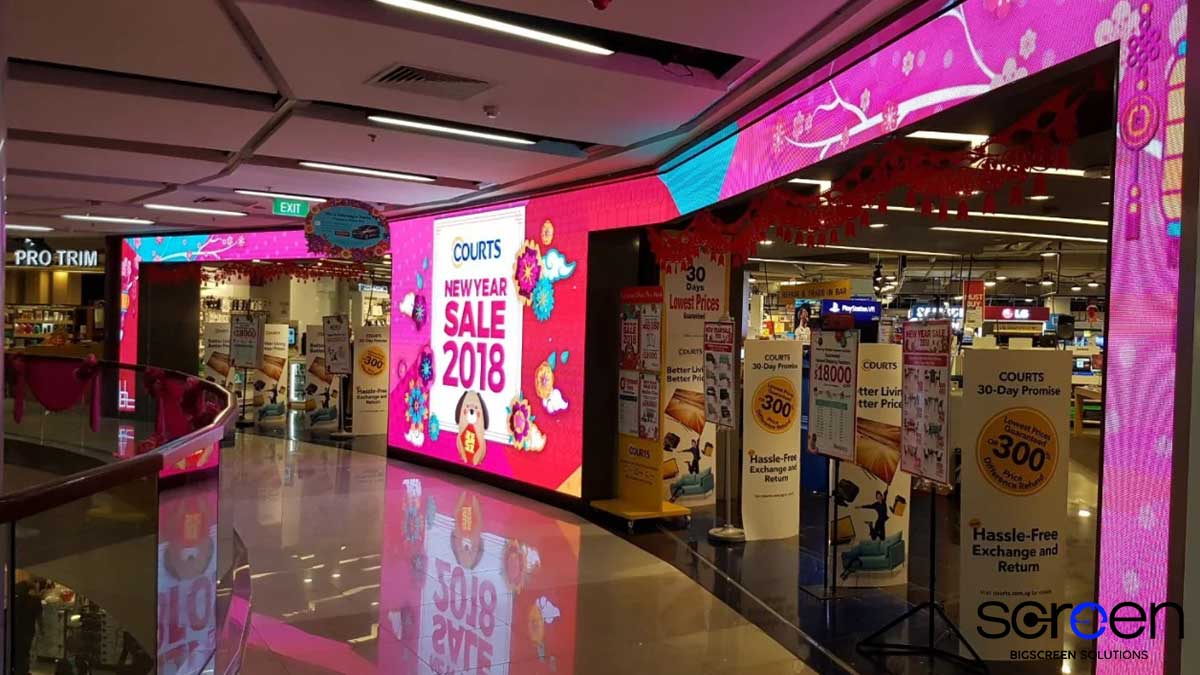
Small retail stores operate in one of the most competitive environments imaginable. Limited space, tight budgets, and constant pressure to attract foot traffic force shop owners to make every investment count. In this context, visual communication is no longer a luxury but a necessity. Customers today expect dynamic content, clear messaging, and engaging storefronts, even from smaller shops.
This is where the concept of an LED screen for small retail stores becomes especially relevant. Unlike traditional printed signage, LED screens offer flexibility, instant updates, and the ability to communicate promotions, branding, and information in real time. The challenge, however, lies in choosing the right solution without exceeding financial limits.
This guide is designed to help small business owners understand what truly matters when selecting an LED screen under budget constraints, while still achieving professional results and long-term value.

Best LED Screen for Small Retail Stores
Small retail spaces differ significantly from large malls or chain stores. The viewing distance is shorter, customer flow is more intimate, and every square meter must be used efficiently. An oversized or overly complex display can quickly become a liability rather than an asset.
For these reasons, selecting an LED screen for small retail stores requires a clear understanding of how customers move, where they focus their attention, and what type of content is most effective. In most cases, indoor LED displays with moderate brightness and fine pixel pitch deliver the best balance between quality and affordability.
Budget-conscious retailers should focus on functionality rather than prestige, choosing solutions that enhance communication without unnecessary technical complexity.
Key Technical Features That Matter on a Limited Budget
When funds are limited, it is essential to prioritize features that directly impact performance and customer experience. Resolution, brightness, pixel pitch, and reliability should take precedence over advanced add-ons that may not deliver measurable returns.
A well-chosen LED screen for small retail stores should offer sufficient brightness for indoor lighting conditions without consuming excessive power. Fine pixel pitch ensures clarity at close viewing distances, which is especially important in compact spaces. At the same time, opting for modular designs can reduce maintenance costs and extend the lifespan of the display.
Understanding these fundamentals allows retailers to avoid overspending on features designed for large-scale or outdoor applications.
Cost Transparency and Realistic Budget Planning
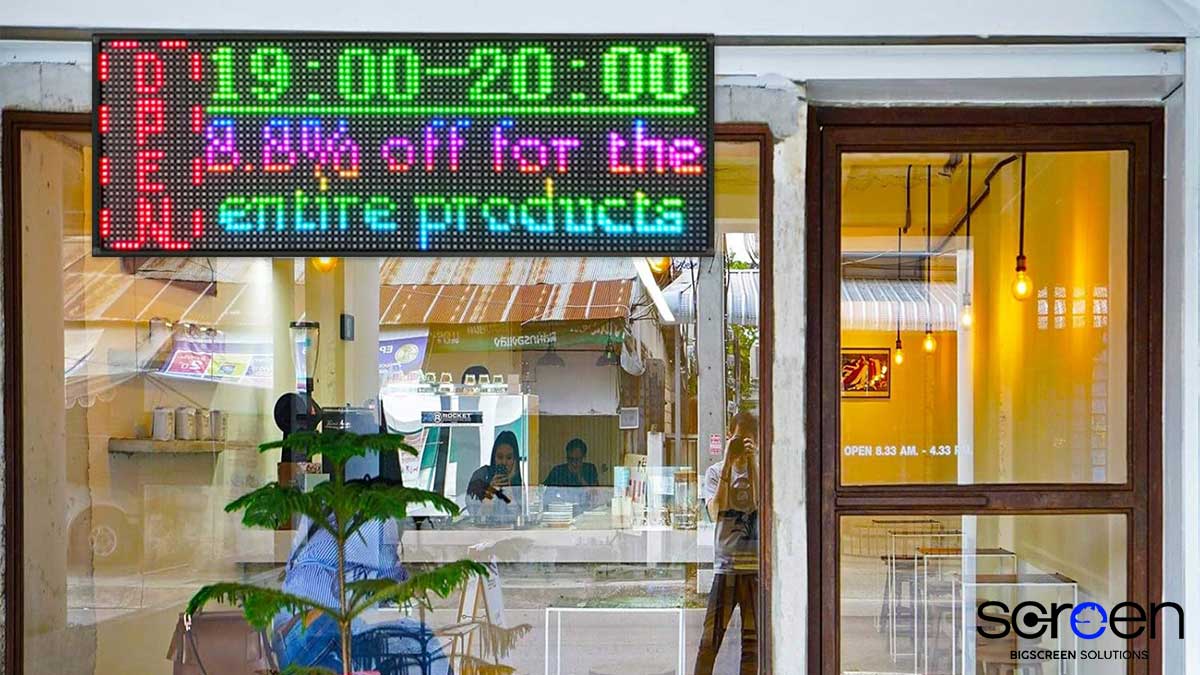
One of the most common concerns among small business owners is understanding the true cost of LED technology. Beyond the screen itself, expenses may include installation, content management systems, mounting structures, and ongoing maintenance.
This is why questions such as How Much Does Digital Signage Cost? are critical for informed decision-making. The answer varies depending on size, quality, and usage, but small retailers can often find effective solutions by setting clear limits and focusing on essential specifications.
A realistic budget should account for both initial investment and long-term operating costs, ensuring that the display remains an asset rather than a financial burden.
Indoor vs Outdoor: Avoiding Unnecessary Expenses
Many small retailers mistakenly consider outdoor displays, assuming higher visibility always translates to better results. In reality, most neighborhood shops benefit far more from indoor or window-facing screens than from fully outdoor installations.
An outdoor led screen is designed to withstand harsh weather conditions and deliver extremely high brightness levels. These features significantly increase cost and are often unnecessary for small stores operating in controlled environments. Choosing indoor displays not only reduces upfront expenses but also simplifies installation and maintenance.
Matching the display type to the actual usage environment is one of the most effective ways to stay within budget.

Making Small Screens Work Harder
Even the most affordable LED screen can deliver impressive results if used strategically. Content quality often matters more than screen size or resolution. Short promotional videos, dynamic pricing updates, and seasonal visuals can dramatically improve customer engagement.
Effective content planning allows an LED screen for small retail stores to serve multiple purposes throughout the day, from attracting passersby to informing in-store customers. This flexibility maximizes return on investment and reduces the need for multiple signage solutions.
Retailers should plan content schedules in advance to ensure consistent messaging without additional production costs.
Installation Simplicity and Space Optimization
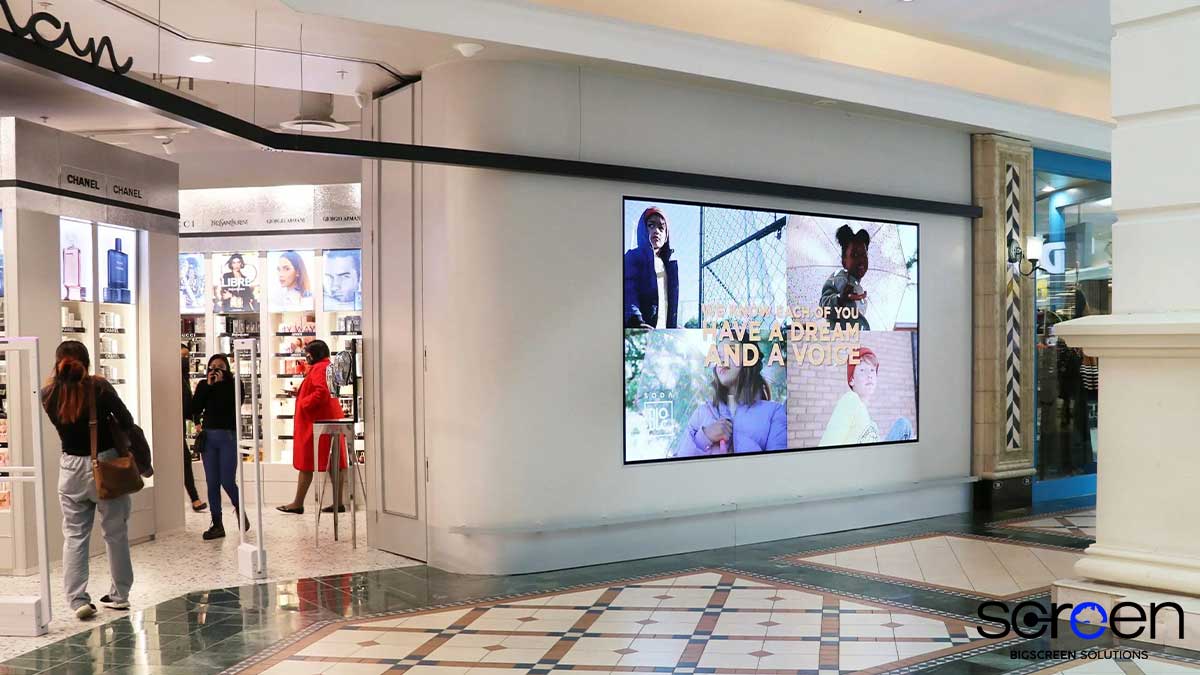
Small retail stores rarely have the luxury of complex installations. Wall-mounted or window-mounted LED screens are often the most practical options, as they minimize space usage and reduce installation expenses.
Lightweight cabinets and front-service designs further simplify maintenance, allowing store owners to handle basic upkeep without specialized technicians. These practical considerations are essential when choosing an LED screen for small retail stores with limited resources.
Efficient installation not only saves money but also reduces downtime and operational disruption.
Common Mistakes Small Retailers Should Avoid
Limited budgets make mistakes especially costly. Many small retailers overspend on specifications they do not need or choose unreliable suppliers to save money upfront. Both approaches can lead to poor performance and higher long-term costs.
Understanding common pitfalls, such as those outlined in 5 Mistakes to Avoid When Investing in LED Signage, helps business owners make smarter decisions. These mistakes often include ignoring warranty terms, underestimating maintenance needs, or selecting displays without proper technical support.
Avoiding these errors ensures that budget-friendly choices remain sustainable over time.
Brand Perception and Professional Appearance
One of the most overlooked benefits of LED displays is their impact on brand perception. A clean, well-integrated screen can make even a small shop appear modern and professional. This psychological effect plays a significant role in attracting customers and building trust.
Well-executed LED Signage communicates credibility and attention to detail, which are critical factors in customer decision-making. For small retailers, this can level the playing field against larger competitors with bigger marketing budgets.
A thoughtfully selected LED screen for small retail stores becomes part of the brand identity rather than just a display tool.

Comparing Brands Without Chasing Prestige
Small retailers often feel pressured to choose well-known brands, assuming higher prices guarantee better quality. While reputable manufacturers do matter, not every shop needs top-tier industrial-grade products.
Lists such as Top 10 Outdoor LED Display Brands in 2025 can be useful references, but they should not dictate decisions for small indoor retail applications. Many lesser-known manufacturers offer reliable indoor solutions at significantly lower costs, especially when specifications are matched correctly to the use case.
The goal is not to buy the most famous product, but the most appropriate one.
Energy Efficiency and Long-Term Savings
Operating costs can quickly add up, especially for displays running many hours per day. Energy-efficient LED modules and intelligent brightness control can significantly reduce electricity expenses over time.
For a small business, these savings can be just as important as the initial purchase price. Choosing energy-efficient components ensures that an LED screen for small retail stores remains affordable throughout its lifecycle.
Long-term thinking is essential when budgets are tight and margins are narrow.
Scalability and Future Growth
Even small retailers should think ahead. A modular LED system allows for future expansion or reconfiguration as the business grows or layout changes. This flexibility protects the initial investment and avoids the need for complete replacement.
Budget-friendly solutions that offer scalability provide peace of mind and adaptability in a changing retail environment. Planning for growth does not require overspending, but it does require smart product selection.
Final Thoughts
Choosing the best LED screen for small retail stores is not about finding the cheapest option or the most advanced technology. It is about balance. The right solution aligns technical features, budget limitations, content strategy, and long-term goals into a single, coherent investment.
By focusing on real needs rather than assumptions, small retailers can harness the power of LED displays without financial strain. With careful planning, realistic expectations, and informed decision-making, even modest budgets can deliver professional, engaging, and effective visual communication.
In today’s competitive retail landscape, the right LED screen is not an expense. It is a strategic tool that, when chosen wisely, pays for itself many times over.