


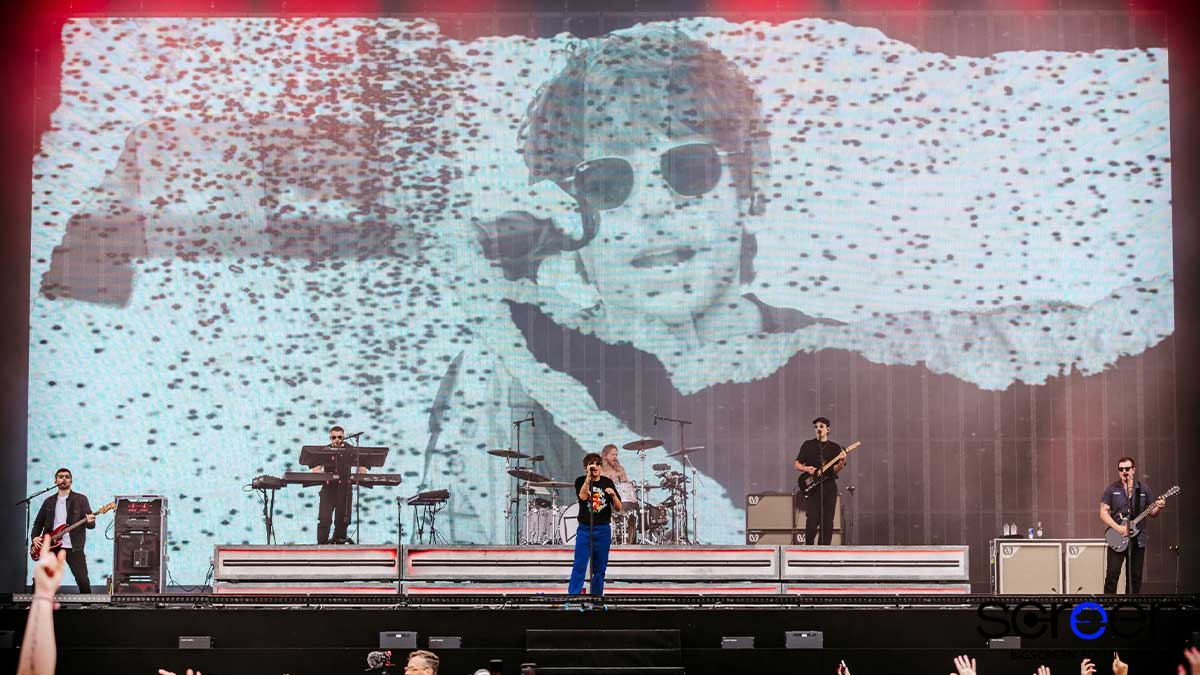
Live theatre and stage performances have always relied on visual storytelling to communicate emotion, atmosphere, and narrative depth. From traditional painted backdrops to mechanical stage effects, visual elements have played a central role in shaping audience perception. In recent years, however, the integration of advanced display systems has fundamentally changed how performances are designed and experienced. Among these innovations, LED screens have emerged as one of the most powerful tools available to directors, designers, and producers.
LED technology in live performances has opened new creative possibilities by allowing real-time visual transformation, dynamic scene changes, and immersive environments that were previously impossible or extremely costly. Unlike static sets, LED displays can adapt instantly to the rhythm of a performance, responding to music, movement, and lighting cues with precision and flexibility.
This article explores how LED technology supports theatre and live performances from both artistic and technical perspectives. It examines how LED systems enhance storytelling, improve production efficiency, and reshape audience engagement while addressing practical considerations such as installation, rental, and long-term investment.

Visual Storytelling and Narrative Enhancement
At the heart of every successful theatre production is storytelling. Visual elements support the narrative by establishing location, mood, and emotional context. LED screens allow storytellers to move beyond physical limitations by creating environments that evolve fluidly throughout a performance.
Instead of relying on multiple physical sets, designers can use LED backdrops to depict different locations, seasons, or emotional tones within seconds. This flexibility enables smoother transitions and reduces interruptions that might otherwise break audience immersion. Visual metaphors, abstract imagery, and symbolic animations can be layered into scenes, adding narrative depth without additional physical elements.
Because LED content can be synchronized with sound and performance cues, visuals become an active participant in storytelling rather than a passive background. This integration strengthens emotional impact and helps audiences connect more deeply with the performance.
Stage Design Flexibility and Creative Freedom
Traditional stage design often requires extensive planning, construction, and storage of physical sets. These limitations can restrict creative experimentation and increase production costs. LED displays offer a modular, adaptable alternative that empowers designers to explore bold concepts without long-term physical commitments.
Digital stage environments can be resized, repositioned, or reconfigured depending on venue size and performance requirements. This is particularly valuable for touring productions that must adapt to different stage dimensions and technical conditions. By adjusting digital content rather than rebuilding sets, productions maintain visual consistency while reducing logistical challenges.
Digital stage design also allows for rapid creative iteration. Directors and designers can test different visual concepts during rehearsals and make real-time adjustments, ensuring the final performance aligns with artistic vision.

Lighting Integration and Visual Harmony
Lighting has always been a cornerstone of live performance design, shaping focus, atmosphere, and emotional pacing. LED screens complement traditional lighting systems by acting as both light sources and visual surfaces. When integrated correctly, they enhance rather than compete with stage lighting.
Careful calibration ensures that LED brightness and color temperature align with theatrical lighting schemes. This harmony prevents visual imbalance and ensures performers remain the focal point of each scene. Subtle background visuals can enhance depth, while high-impact moments can be amplified through dynamic light and motion.
Achieving this balance often requires professional LED wall installation, as improper setup can lead to glare, uneven illumination, or visual distraction. Expertise ensures that LED elements support performance goals rather than overpower them.
Immersive Audience Experiences
Modern audiences expect immersive experiences that engage multiple senses. LED technology enables productions to create environments that extend beyond the physical stage, drawing viewers into the world of the performance.
Large-scale LED walls can simulate expansive landscapes, architectural spaces, or abstract environments that surround performers visually. When combined with sound design and choreography, these visuals create a sense of presence that enhances emotional engagement.
Immersive design is particularly effective in experimental theatre, concerts, and multimedia performances where visual impact plays a central role. LED displays allow productions to push creative boundaries while maintaining consistency and control.
Technical Reliability and Performance Consistency
Live performances demand reliability. Technical failures can disrupt narratives and diminish audience trust. LED technology has evolved to meet the rigorous demands of live environments, offering stable performance and consistent visual output.
Modern LED systems are designed for extended operation with minimal maintenance. Redundant power supplies and modular panels ensure that individual component failures do not compromise the entire display. This reliability makes LED displays suitable for long-running shows and high-frequency performances.
Consistency is equally important. LED screens deliver uniform color and brightness across performances, ensuring that each audience experiences the show as intended regardless of schedule or venue.
read more: stage led screen
Touring Productions and Portability
Touring productions face unique challenges related to transportation, setup time, and venue variation. LED displays address many of these challenges through modular design and efficient deployment.
Panels can be assembled and disassembled quickly, reducing setup time between shows. Digital content can be adapted to different stage sizes without redesigning physical elements. This efficiency allows touring productions to maintain high visual standards while controlling costs and logistics.
For producers exploring touring options, understanding How to Rent an LED Display in Melbourne Australia? or similar regional solutions can provide access to high-quality technology without long-term investment, making touring more accessible and sustainable.
Budget Considerations and Strategic Investment

While LED technology offers significant creative advantages, budget considerations remain important. Productions must evaluate whether to purchase or rent LED systems based on frequency of use, production scale, and technical expertise.
For short-term projects or one-off performances, choosing to hire LED Sign solutions can provide access to professional-grade displays without capital expenditure. Rental options also include technical support, reducing the risk associated with complex installations.
Understanding the Benefits of Hiring an LED Screen helps producers balance creative ambition with financial responsibility. Rentals allow experimentation and scalability, while ownership may be more suitable for venues with regular programming.
Decision-Making for Long-Term Use
For theatres and performance venues considering permanent installations, careful planning is essential. Factors such as resolution, pixel pitch, viewing distance, and integration with existing systems must be evaluated.
Assessing Things to Consider When Buying a LED Display ensures that long-term investments align with artistic goals and operational capacity. A well-chosen system enhances programming flexibility and increases venue attractiveness for diverse productions.
Long-term LED installations can also support additional uses such as conferences, community events, and educational programming, extending value beyond theatrical performances.
Artistic Collaboration and Workflow Evolution
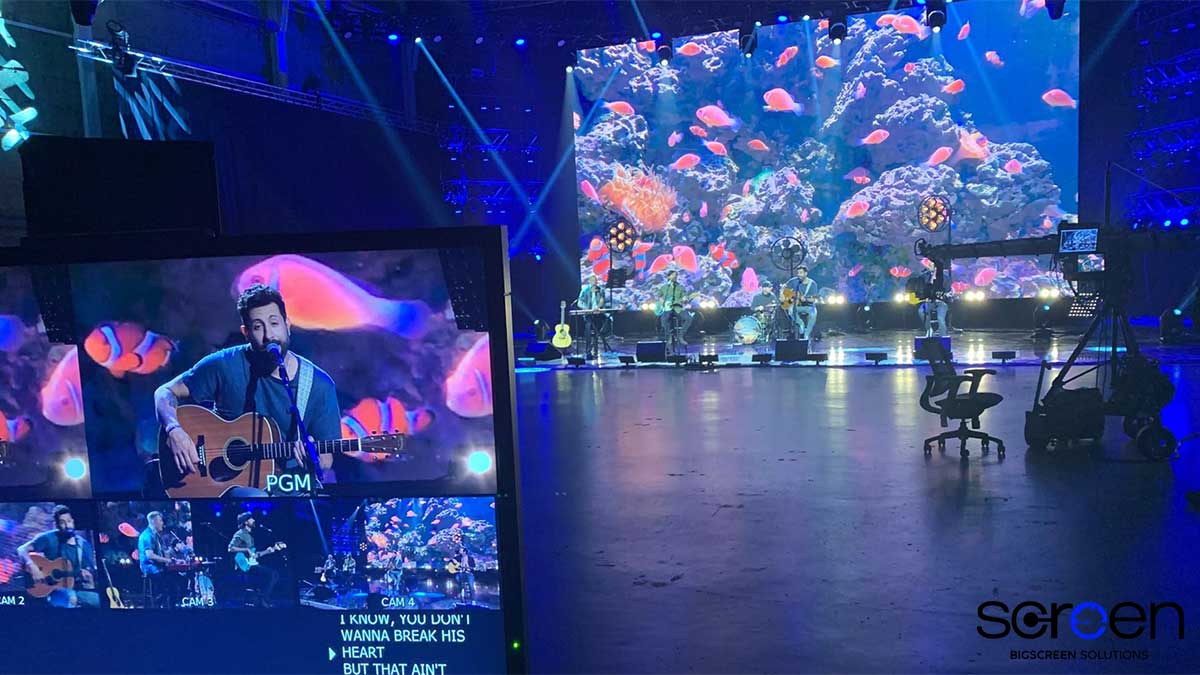
The introduction of LED technology has reshaped creative workflows. Designers, directors, and technical teams must collaborate closely to integrate visuals seamlessly into performances.
Content creation often begins earlier in the production process, influencing blocking, choreography, and lighting design. This integrated approach fosters collaboration and encourages innovation across disciplines.
As digital tools become more accessible, performers themselves may interact directly with LED visuals, blurring the line between physical and digital performance spaces.
Conclusion
LED technology in live performances has transformed theatre and stage productions by expanding creative possibilities, improving efficiency, and enhancing audience immersion. By replacing static elements with dynamic visual systems, productions gain flexibility and expressive power without sacrificing reliability.
From storytelling and stage design to touring logistics and budget strategy, LED displays offer solutions that align with the evolving demands of modern performance art. When implemented thoughtfully and supported by experienced providers, they become an integral part of artistic expression rather than a mere technical addition.
For production teams seeking to elevate their performances with cutting-edge visual technology, partnering with experienced companies like bigledscreen ensures access to reliable systems, professional support, and solutions tailored to the unique demands of live theatre and performance environments.