


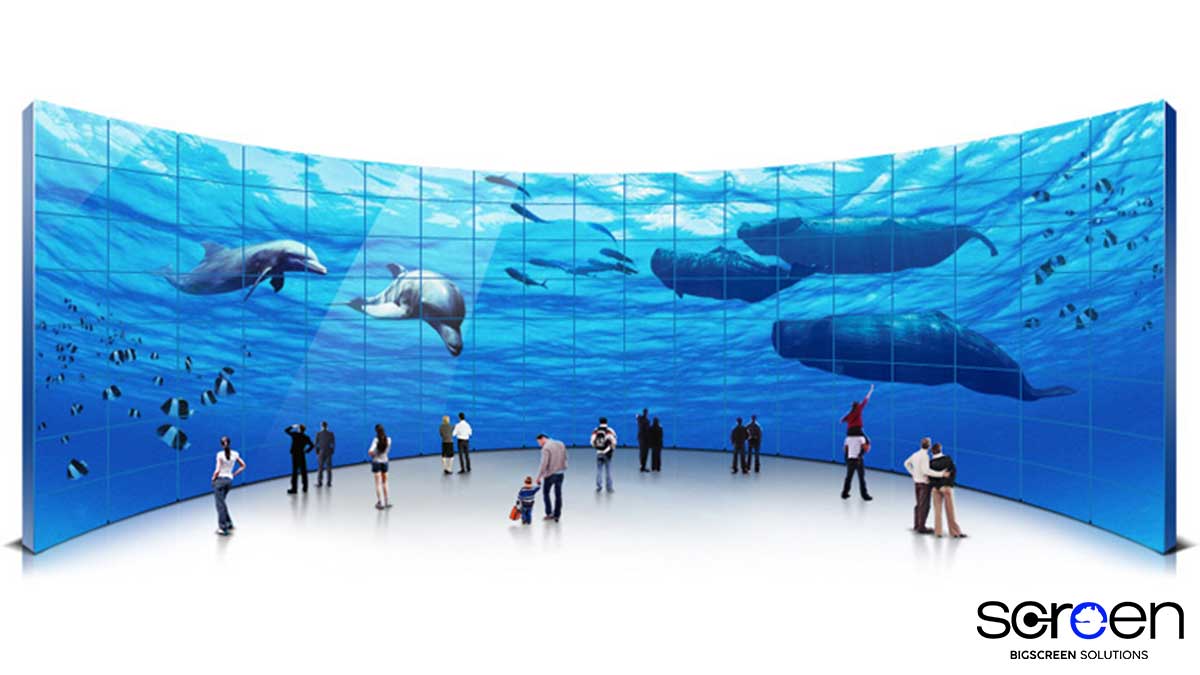
In today’s highly competitive retail environment, capturing customer attention within the first few seconds is more critical than ever. Brick-and-mortar stores are no longer just places to sell products; they are experience-driven spaces designed to engage, inspire, and influence purchasing decisions. One of the most powerful tools helping retailers achieve this transformation is the strategic use of large-scale digital displays. Among these technologies, the LED video wall for retail stores has emerged as a game-changing solution that blends visual impact with functional flexibility.
Modern shoppers are visually driven. They respond to movement, color, brightness, and storytelling far more than static signage. This is where advanced LED display systems outperform traditional screens. When implemented correctly, they not only elevate brand perception but also guide customer behavior, improve dwell time, and support data-driven marketing campaigns. Retailers who invest wisely in this technology often see measurable improvements in foot traffic and conversion rates.
This comprehensive guide explores everything retailers need to know about selecting, installing, and using LED video walls effectively. From technical considerations to content strategies and long-term maintenance, this article will help you make informed decisions while aligning technology with business goals.

What Is an LED Video Wall and Why Retailers Use It
An LED video wall is a large visual display composed of multiple LED panels seamlessly connected to function as a single screen. Unlike traditional LCD displays, LED walls offer superior brightness, scalability, and durability, making them suitable for various retail environments, from luxury boutiques to large shopping centres.
Retailers are increasingly adopting LED video wall for retail stores because it allows full creative freedom. Whether displaying promotional campaigns, seasonal visuals, or real-time offers, these displays deliver content with exceptional clarity and consistency. The modular nature of LED systems also enables customization based on available space, store layout, and viewing distance.
The psychological impact of motion visuals is another reason retailers rely on this technology. Dynamic content naturally draws the human eye, making LED video walls ideal for storefront windows, feature walls, and high-traffic zones. Over time, consistent exposure to branded visuals strengthens customer recall and trust.
Key Benefits of LED Video Walls in Retail Environments
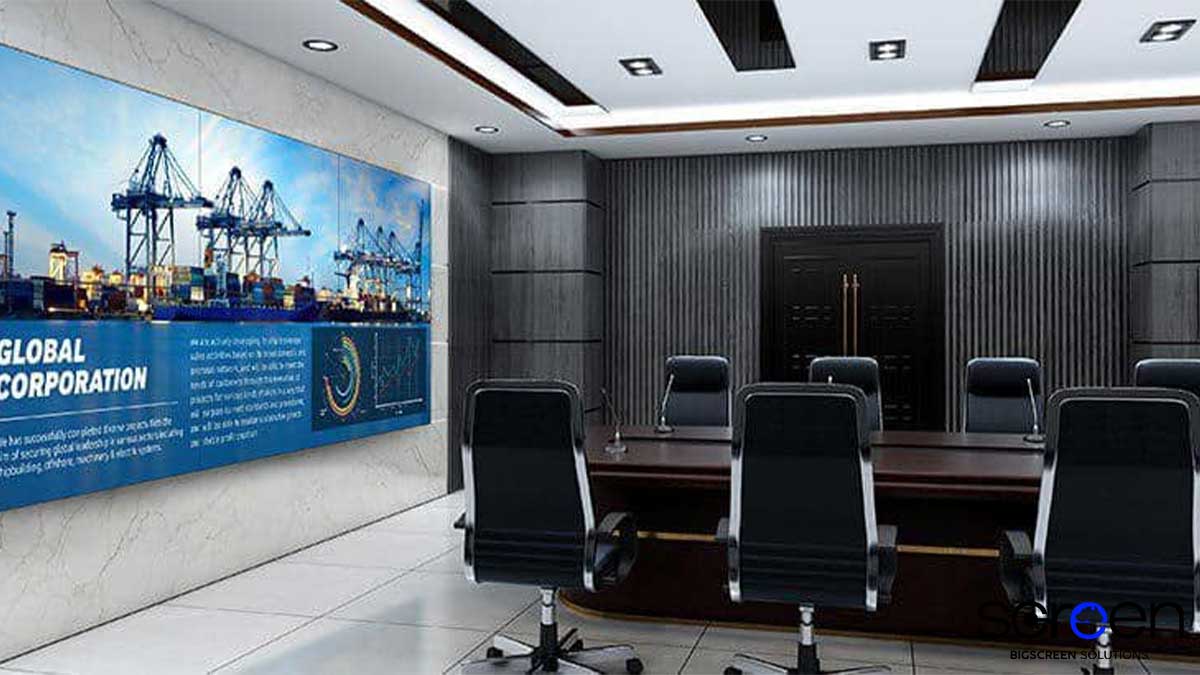
One of the primary advantages of using an LED video wall for retail stores is its ability to enhance customer engagement without disrupting the shopping flow. Instead of overwhelming customers with aggressive messaging, well-designed visuals complement the retail atmosphere and subtly influence decisions.
Brightness and visibility play a major role here. LED walls remain clear even under strong ambient lighting, which is particularly important for storefront displays exposed to daylight. This ensures your message is visible at all times, unlike traditional screens that may appear washed out.
Another benefit is flexibility. Retail campaigns change frequently, and LED video walls allow instant content updates without printing costs or physical replacements. This makes them a cost-effective long-term solution for retailers who regularly adjust promotions, pricing, or branding elements.
Durability is also worth noting. LED panels are designed for extended operation, reducing downtime and maintenance costs. This reliability makes them suitable for continuous use in busy retail environments where consistency matters.
Choosing the Right LED Video Wall for Your Store
Selecting the correct LED system is not just a technical decision; it is a strategic one. The effectiveness of an LED video wall for retail stores depends heavily on pixel pitch, screen size, viewing distance, and content type. Pixel pitch determines resolution and clarity, especially at close viewing distances common in retail interiors.
Smaller stores may benefit from finer pixel pitches to maintain sharp visuals at close range, while larger spaces can use wider pixel spacing without sacrificing quality. Screen placement is equally important. Displays positioned at eye level or near key decision points tend to perform better in influencing customer behavior.
It is also essential to consider future scalability. Retailers should invest in systems that allow expansion or reconfiguration as store layouts evolve. A well-planned installation avoids unnecessary replacements and ensures long-term adaptability.
Installation and Technical Considerations
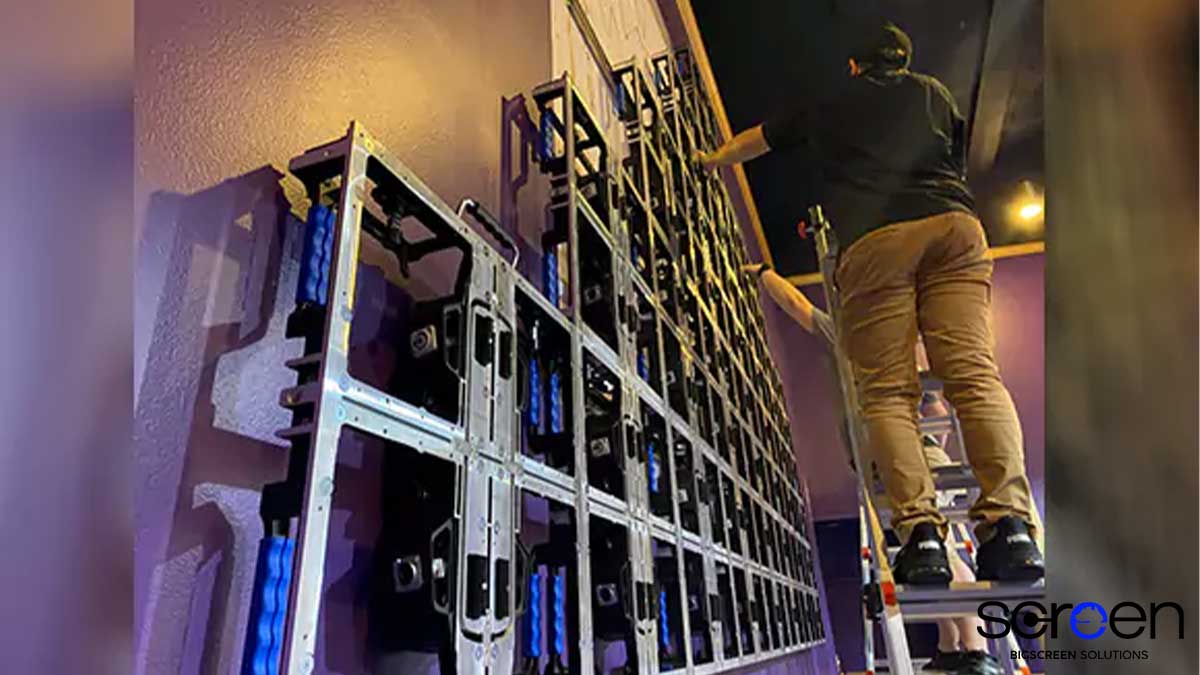
Professional planning and execution are critical when deploying an LED video wall for retail stores. A poorly installed system can undermine even the most advanced technology. Structural integrity, power supply, ventilation, and cable management must all be addressed before installation begins.
Engaging a team experienced in professional LED wall installation ensures that safety standards are met and performance issues are minimized. Proper calibration, alignment, and testing are essential to achieve seamless visuals and consistent brightness across all panels.
Retailers should also plan for backend systems such as content management software. An intuitive CMS allows staff to update visuals easily, schedule campaigns, and integrate promotional calendars without technical expertise.
Content Strategy: What to Display on Retail LED Video Walls
The success of an LED video wall for retail stores is largely determined by the content displayed. High-resolution visuals alone are not enough; content must align with brand identity, customer expectations, and store objectives.
Retailers should focus on storytelling rather than pure advertising. Short, visually engaging narratives resonate better than long promotional messages. Seasonal themes, lifestyle imagery, and product demonstrations often perform exceptionally well.
Content pacing also matters. Overly fast animations can feel overwhelming, while slow transitions may go unnoticed. Striking the right balance keeps customers engaged without disrupting their shopping experience.
Interestingly, the same principles that support Advancing Auditorium Research and Presentations with LED Video Wall apply here: clarity, relevance, and visual harmony are essential for effective communication, regardless of the environment.
Integrating LED Video Walls with Retail Signage
LED video walls should not exist in isolation. They work best when integrated into a broader visual communication strategy that includes traditional led signage, printed materials, and in-store navigation systems.
Consistency across all visual elements strengthens brand recognition and avoids confusion. For example, promotional colors, typography, and messaging should align across digital and physical touchpoints.
Retailers who successfully integrate digital displays into their signage ecosystem create cohesive environments that guide customers naturally through the store, increasing the likelihood of impulse purchases and extended visits.

Indoor vs. Window-Facing LED Video Walls
Retailers must also decide whether to place LED video walls inside the store or facing outward toward foot traffic. Each option serves a different purpose. Indoor displays focus on engagement and education, while window-facing displays aim to attract passersby.
Outdoor-visible displays require higher brightness levels and weather-resistant components. They also benefit from concise messaging designed to capture attention within seconds. Interior displays, on the other hand, can feature more detailed visuals and longer storytelling formats.
Understanding these differences helps retailers choose configurations that maximize the return on investment.
Understanding Display Technology Evolution
To fully appreciate modern LED systems, it helps to understand how display technology has evolved. Many retailers ask, What is MicroLED, and how does it compare to conventional LED technology? While MicroLED offers exceptional brightness and pixel density, standard LED video walls remain the most practical and cost-effective solution for most retail applications today.
Retailers should focus on proven technologies that balance performance, reliability, and budget rather than chasing emerging trends that may not yet be commercially viable at scale.
Maintenance and Long-Term Performance
An LED video wall for retail stores is a long-term investment, and maintaining performance over time requires proactive care. Regular cleaning, software updates, and brightness calibration help preserve visual quality and extend system lifespan.
Retailers should also establish service agreements with experienced providers to address technical issues quickly. Downtime not only affects aesthetics but can disrupt marketing campaigns and customer perception.

Measuring ROI and Business Impact
Tracking performance is essential to justify investment in LED video walls. Retailers can measure success through metrics such as increased foot traffic, dwell time, and sales uplift during promotional periods.
Customer feedback and observational studies also provide valuable insights. Over time, data collected from digital displays can inform content strategy, placement decisions, and future upgrades.
Why Bigledscreen Is a Trusted Partner for Retail LED Solutions
Choosing the right technology partner is as important as choosing the display itself. bigledscreen offers tailored LED solutions designed specifically for retail environments, combining technical expertise with a deep understanding of visual merchandising.
From consultation and design to installation and after-sales support, bigledscreen helps retailers unlock the full potential of LED video wall technology. Their focus on quality, scalability, and performance ensures long-term value for growing retail brands.
Conclusion
The modern retail landscape demands innovation, flexibility, and visual excellence. An LED video wall for retail stores is more than a display solution; it is a strategic asset that enhances brand storytelling, customer engagement, and sales performance.
By selecting the right system, investing in quality installation, and developing thoughtful content strategies, retailers can transform physical spaces into immersive brand experiences. As consumer expectations continue to evolve, LED video walls will remain a cornerstone of successful retail environments for years to come.