


The rapid evolution of visual communication has made LED display panels one of the most critical technologies in modern advertising, architecture, entertainment, and information delivery. Behind every high-quality LED display lies a complex and carefully engineered production process that combines electronics, material science, software control, and precision manufacturing. Understanding the full journey from concept to final product is essential for anyone interested in how advanced display systems are created. This article explores every stage involved in professional LED screen manufacturing, explaining each step in detail so nothing is left unclear.
From the earliest planning phase to final deployment, producing a reliable LED display requires accuracy, testing, and coordination between multiple technical disciplines. Unlike consumer electronics, LED screens are often custom-built for specific environments, whether indoor studios or large outdoor installations. This is why mastering the production workflow is the foundation of long-lasting performance, visual consistency, and operational safety.

Concept Development and Technical Planning
Every successful LED display begins with a clear concept and technical roadmap. At this stage, engineers and designers define the purpose of the screen, its viewing distance, resolution requirements, brightness level, and physical dimensions. These early decisions directly influence pixel pitch selection, power consumption, and structural design. This planning phase is critical in professional LED screen manufacturing, as errors made here can lead to costly redesigns later in the process.
Environmental conditions are also evaluated during planning. Outdoor screens must withstand weather, temperature fluctuations, and direct sunlight, while indoor screens prioritize color accuracy and refresh rate. Engineers also consider future maintenance access, modular replacement, and scalability. At this point, the system architecture is designed, including signal flow, power distribution, and control protocols, laying the groundwork for stable operation throughout the screen’s lifecycle.
LED Chip Selection and Raw Material Sourcing
Once the specifications are finalized, the next stage focuses on sourcing high-quality components. LED chips are the core of the display, and their quality determines brightness consistency, lifespan, and color uniformity. Selecting reliable suppliers and matching binning standards is essential to avoid visible color variations across the screen.
In addition to LED chips, manufacturers source driver ICs, power supplies, PCB boards, connectors, and protective coatings. Each material must meet strict electrical and thermal standards. In large-scale professional LED screen manufacturing, even small inconsistencies in materials can result in performance instability or premature failure. This stage also includes evaluating compliance with international safety and quality certifications, which is particularly important for commercial and public installations.
Module Design and Electronic Engineering
LED displays are built using modular units, allowing flexibility in size and easier maintenance. During this phase, electronic engineers design the LED modules, defining PCB layouts, circuit paths, and component placement. Thermal management is a key concern here, as excessive heat can significantly reduce LED lifespan.
Signal integrity and synchronization are also addressed at this stage. Advanced control systems ensure that every LED pixel responds accurately and simultaneously, eliminating flicker or ghosting. This level of precision is what separates basic displays from truly advanced systems. The expertise involved in this phase highlights how professional LED screen manufacturing relies heavily on electronic design excellence rather than simple assembly.
It is also during this stage that manufacturers anticipate various use cases, such as applications outlined in discussions like 7 suitable places to install urban displays, ensuring the module design can adapt to diverse environments without structural compromise.
Cabinet Construction and Structural Engineering
Once LED modules are finalized, attention shifts to the physical structure that will house them. Cabinets must be lightweight yet strong, capable of maintaining alignment while protecting internal components. Materials such as aluminum alloys are commonly used for their strength-to-weight ratio and corrosion resistance.
Cabinet precision is essential. Even slight misalignments can create visible seams between modules, reducing image quality. This stage of professional LED screen manufacturing involves CNC machining, structural testing, and repeated measurements to ensure perfect tolerances. For outdoor systems, additional sealing and waterproofing measures are integrated to protect against moisture and dust intrusion.
Assembly and Integration Process
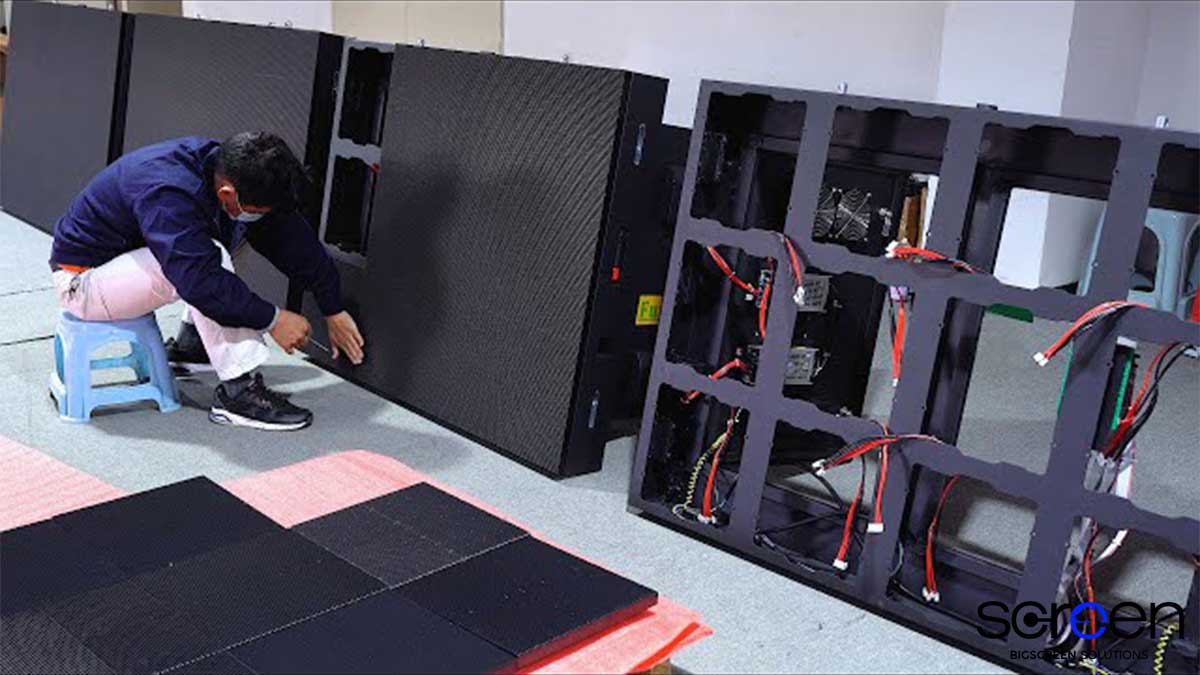
The assembly phase brings together all previously prepared components. LED modules are mounted into cabinets, wiring is connected, power systems are installed, and control cards are configured. Each step follows a strict sequence to avoid damage or connection errors.
Assembly teams work in controlled environments to prevent static discharge and contamination. Quality control checkpoints are placed throughout the process, ensuring that any defect is identified immediately. This disciplined workflow is a hallmark of advanced professional LED screen manufacturing, as it minimizes failure rates and ensures consistent output across large display surfaces.
At this stage, some clients consider temporary solutions such as hire led sign options for short-term events, but permanent systems demand a far higher standard of integration and durability.

Calibration, Testing, and Quality Assurance
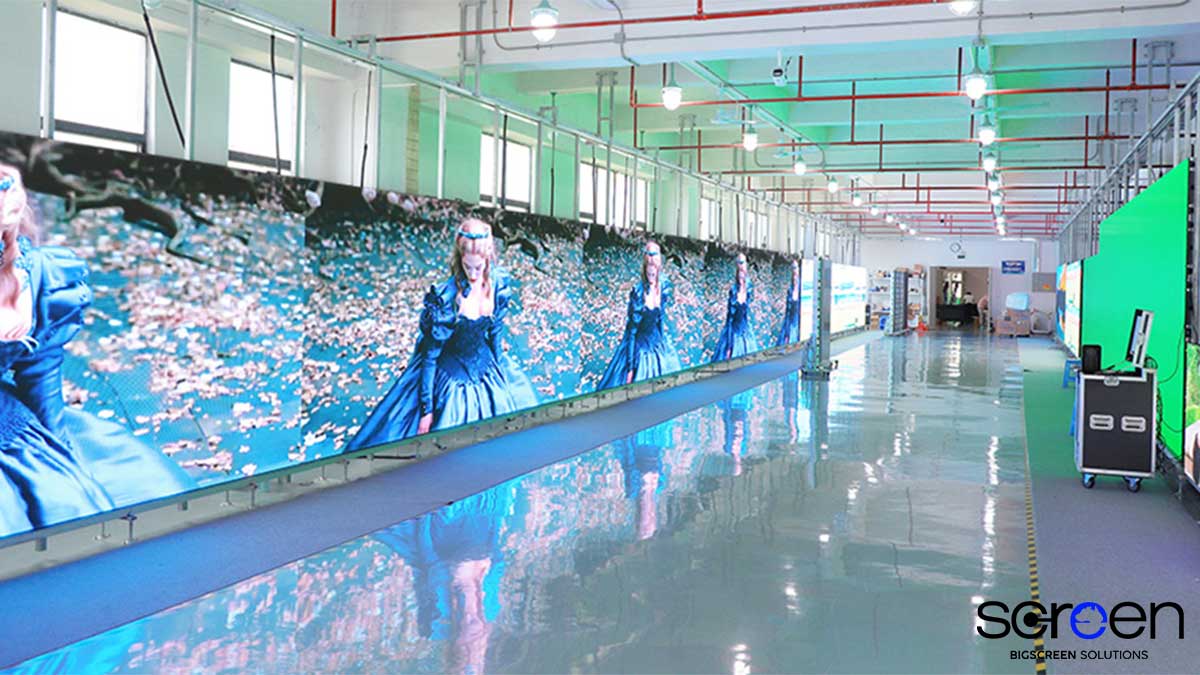
Before any LED screen is approved for delivery, it undergoes extensive testing and calibration. Brightness levels, color temperature, grayscale accuracy, and refresh rates are all fine-tuned using specialized software and measurement equipment. This calibration ensures uniform appearance across the entire display surface.
Stress testing is also performed to simulate long-term operation. Screens are run continuously to identify potential overheating, signal instability, or power irregularities. This phase ensures the display meets both performance expectations and safety requirements. Accurate calibration is a defining step in professional LED screen manufacturing, as it transforms assembled hardware into a visually seamless system.
Software Configuration and Control Systems
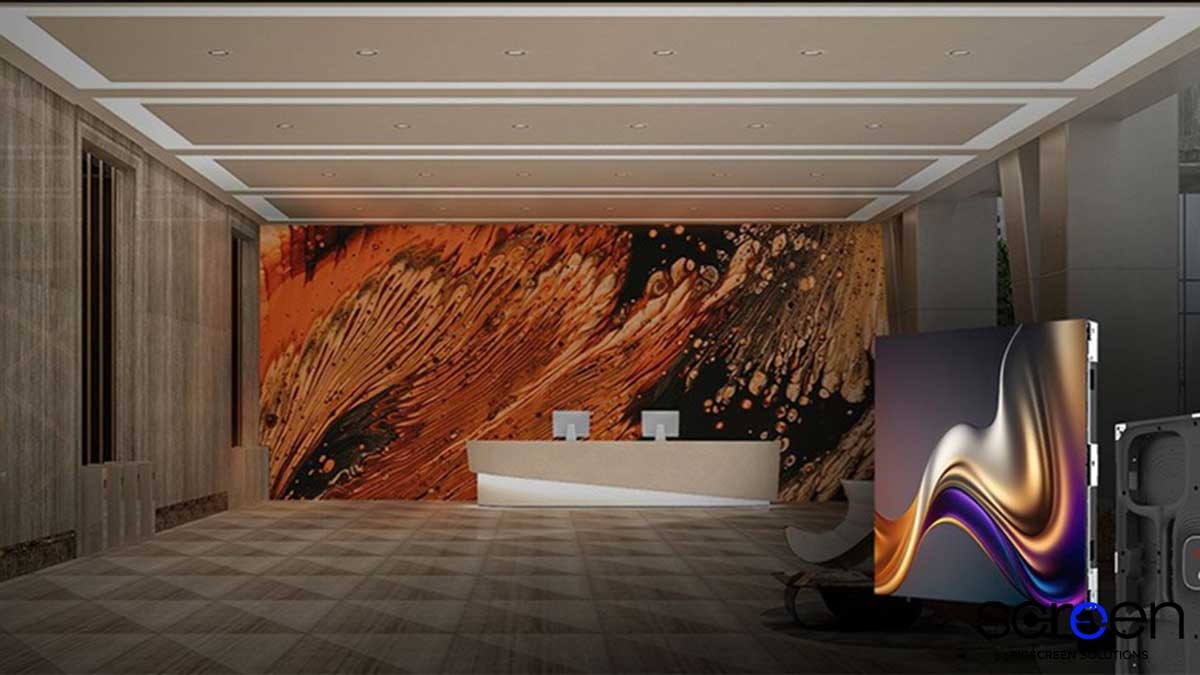
Modern LED displays rely heavily on software for content management, scheduling, and remote monitoring. Control systems are configured to match the client’s operational needs, whether real-time video streaming or scheduled advertising playback. Network security and redundancy are also addressed to prevent data loss or unauthorized access.
This stage integrates what can best be described as digital display engineering, combining hardware performance with intelligent software control. Proper configuration allows operators to manage brightness based on ambient light, detect faults remotely, and update content efficiently, adding long-term value to the display system.
Installation and On-Site Deployment
Installation is the final physical step before the screen becomes operational. This phase requires coordination between engineers, installers, and often civil or electrical teams. Structural supports are verified, power connections are secured, and signal lines are tested on-site.
Environmental factors such as wind load, vibration, and viewing angles are carefully considered during installation. Even the best-built screen can underperform if installed incorrectly. Discussions about placement often overlap with topics like How Much Does Digital Signage Cost?, as installation complexity significantly affects overall project budgets.
Applications and Market Trends
LED display technology continues to evolve, expanding into creative formats such as curved screens and three-dimensional installations. One notable trend is the growing interest in immersive designs, often prompting questions like Why are LED cube screens so popular? These innovations push manufacturers to adapt production techniques while maintaining reliability.
Traditional formats such as the led sign remain highly relevant for retail and transportation hubs, while large-scale outdoor systems compete among leading manufacturers often referenced in comparisons like Top 10 Outdoor LED Display Brands. Each application reinforces the importance of mastering every production stage to meet diverse market demands.

Long-Term Maintenance and Support
The production process does not truly end after installation. Long-term maintenance planning is an extension of professional LED screen manufacturing, ensuring the system continues to perform optimally for years. Modular designs allow quick replacement of faulty components, while software monitoring enables predictive maintenance.
Manufacturers who prioritize after-sales support and spare part availability significantly extend the lifespan of their displays. This holistic approach transforms LED screens from short-term products into long-term infrastructure investments.
Final Thoughts
Creating a high-performance LED display is a complex journey that blends engineering, design, and precision manufacturing. Each stage, from concept development to final calibration, plays a vital role in the success of the finished product. By understanding every step involved in professional LED screen manufacturing, decision-makers can better evaluate quality, durability, and long-term value.
For businesses and organizations seeking expertly engineered LED display solutions backed by technical experience and reliable production standards, bigledscreen offers comprehensive services designed to meet the highest industry expectations.