


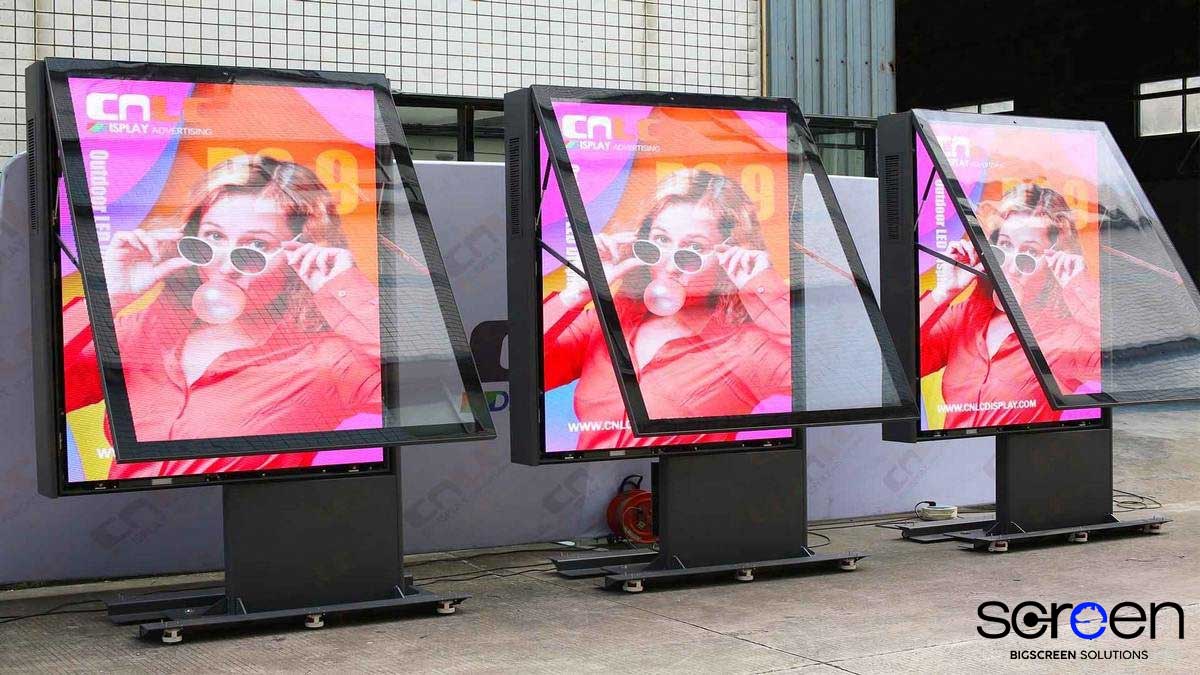
LED displays are widely used in outdoor and semi-outdoor environments, where they are constantly exposed to changing weather conditions. Rain, humidity, dust, extreme temperatures, strong winds, and direct sunlight can significantly impact performance and lifespan if not properly addressed. Protecting LED displays from weather is not optional—it is a critical requirement for reliability, safety, and long-term investment protection. Understanding how LED systems are designed, installed, and maintained to withstand environmental challenges helps businesses avoid costly failures and operational interruptions.
Unlike indoor electronics, outdoor LED systems must operate continuously under unpredictable conditions. This makes environmental protection a core part of both product selection and system management. From enclosure design to daily operation, every decision contributes to resistance against weather-related risks.

Understanding Environmental Risks for LED Displays
The first step in protection is understanding the types of environmental threats LED displays face. Moisture is one of the most damaging elements, as water intrusion can cause short circuits, corrosion, and irreversible electronic failure. Dust and sand accumulation reduce ventilation efficiency and increase internal temperatures. Heat accelerates component aging, while freezing temperatures affect power efficiency and material flexibility.
Sunlight exposure also plays a role. Prolonged UV radiation can degrade protective coatings and affect color consistency over time. Wind pressure places mechanical stress on mounting structures, especially for large-format displays. These combined factors explain why protecting LED displays from weather requires specialized engineering beyond standard indoor models.
Environmental evaluation often overlaps with planning topics such as 7 suitable places to install urban displays, where exposure levels and surrounding conditions determine the appropriate protection strategy.
Choosing the Right Display Type for the Environment
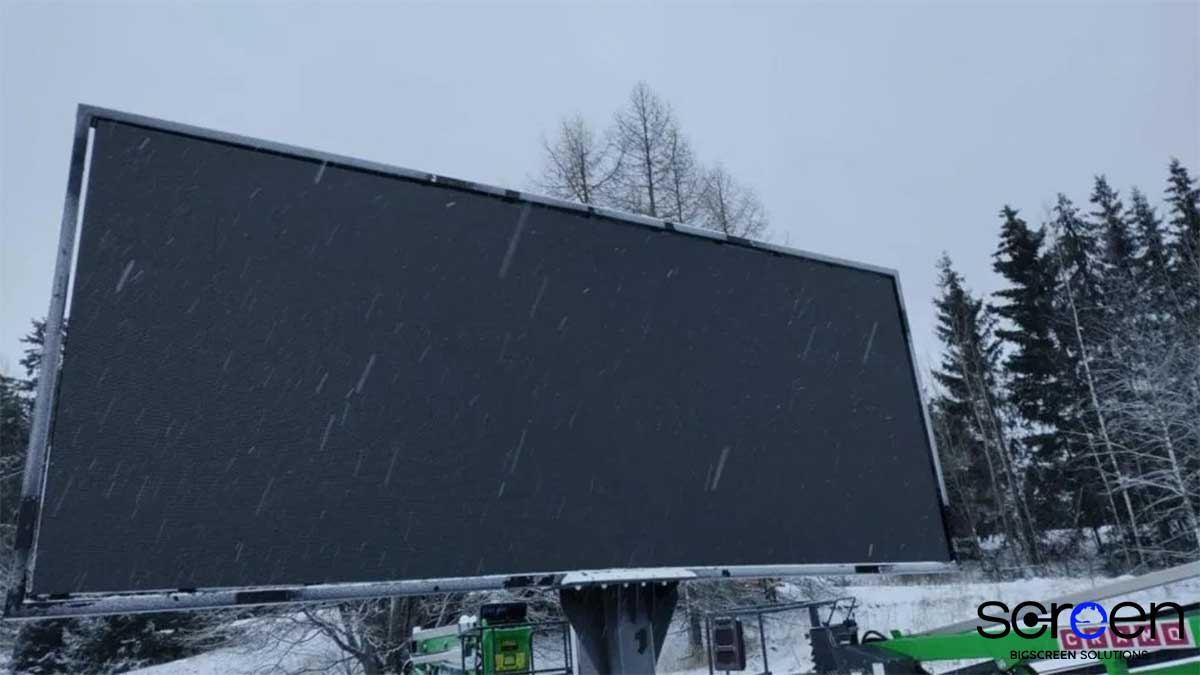
One of the most common mistakes businesses make is using the wrong display type for a given environment. Understanding the differences between display categories is essential for protection. Indoor displays are not designed to resist moisture or temperature fluctuations, while outdoor models incorporate sealed enclosures and reinforced structures.
Comparisons like Indoor vs Outdoor LED Displays highlight why selecting the correct category is critical. Outdoor displays use weather-resistant materials, higher brightness levels, and advanced cooling systems to survive harsh environments. Selecting the wrong type significantly reduces lifespan and increases maintenance costs, undermining the purpose of protecting LED displays from weather in commercial installations.
Semi-outdoor locations, such as covered walkways or stadium entrances, require special consideration. These areas may seem protected but still expose displays to humidity, wind-driven rain, and temperature changes.
Enclosure Design and IP Rating Importance
A key element of protection lies in enclosure design. Outdoor LED displays are housed in cabinets engineered to prevent water and dust intrusion. These enclosures are rated using IP (Ingress Protection) standards, which indicate resistance levels to solids and liquids.
Higher IP ratings mean better sealing, but they must be balanced with ventilation requirements. Completely sealed systems can trap heat, leading to overheating. Professional designs integrate breathable membranes or controlled airflow systems to maintain internal temperature while blocking moisture.
High-quality enclosures are a defining factor in protecting LED displays from weather, ensuring internal components remain isolated from environmental hazards without compromising thermal performance.
Thermal Management and Temperature Control
Temperature regulation is one of the most critical challenges in outdoor LED operation. High temperatures reduce LED brightness efficiency and accelerate component degradation. Low temperatures affect power supplies and signal stability.
Effective thermal management includes heat sinks, ventilation fans, and smart temperature monitoring systems. Some advanced displays automatically adjust brightness based on temperature and ambient light to prevent overheating. These strategies enhance environmental durability and maintain consistent performance across seasons.
Poor thermal control is a frequent issue discussed in industry warnings like 5 Mistakes to Avoid When Investing in LED Signage Displays for the First Time, where inadequate cooling often leads to early failure.
Moisture Protection and Anti-Corrosion Measures
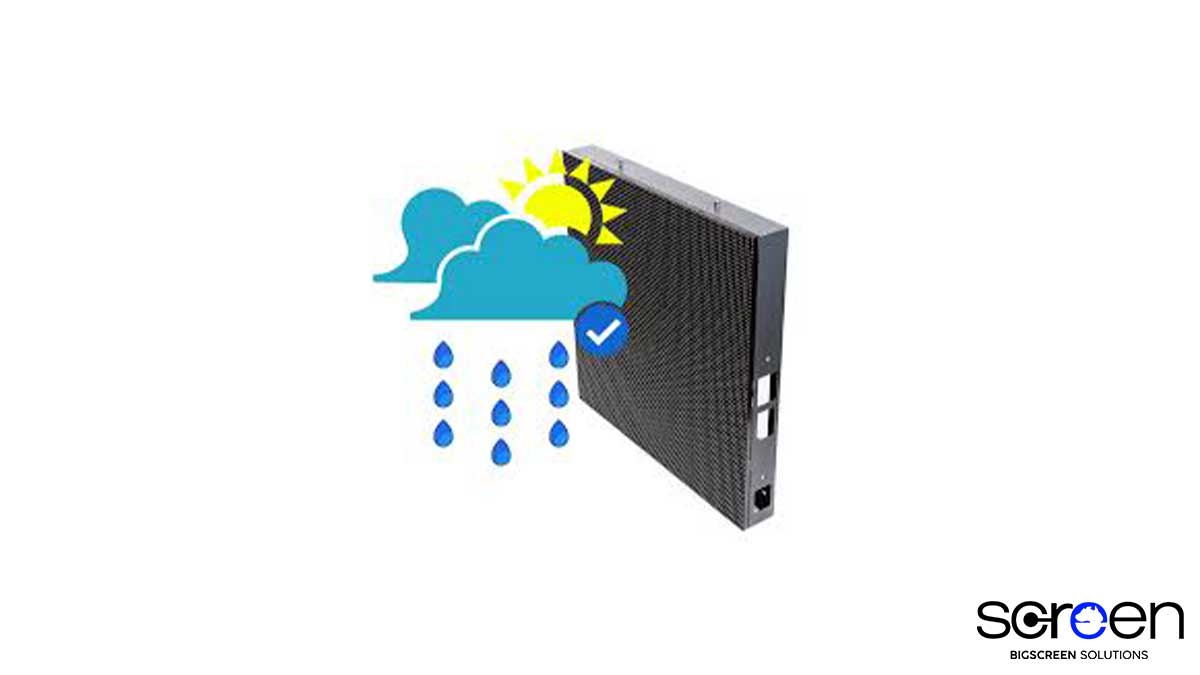
Water resistance goes beyond sealing cabinets. Condensation can form inside displays due to temperature differences between day and night. To counter this, manufacturers use moisture-resistant coatings on circuit boards and corrosion-resistant connectors.
Drainage channels, waterproof gaskets, and rust-proof fasteners further enhance protection. In coastal or high-humidity environments, anti-corrosion treatments become especially important. These measures are fundamental to protecting LED displays from weather in challenging climates.
Regular inspections ensure seals remain intact and coatings are not compromised over time.
Structural Stability and Wind Resistance
Outdoor LED displays are subject to wind loads that can exert significant force on mounting structures. Structural design must account for local wind conditions, especially for elevated installations or large screens.
Steel frames, reinforced brackets, and vibration-resistant fasteners help maintain stability. Engineering calculations determine load distribution and anchor strength. Ignoring structural factors can result in movement, misalignment, or even collapse.
Displays used for Outdoor Digital Signage often face the highest wind exposure, making robust structural planning essential for both safety and performance.

Installation Best Practices for Weather Resistance
Correct installation plays a major role in long-term protection. Even the most advanced display can fail if installed improperly. Installers must ensure correct sealing, secure mounting, and proper cable routing.
Cables should enter enclosures through waterproof glands, and all external connections must be protected from direct exposure. Drainage paths should remain unobstructed, and ventilation openings should be positioned to prevent water ingress.
Professional installation ensures that protecting LED displays from weather is achieved not only through design but also through execution.
Maintenance Strategies for Long-Term Protection
Protection does not end after installation. Routine maintenance is critical for detecting early signs of wear or damage. Regular cleaning prevents dust buildup, while inspections identify loose seals or corrosion.
Maintenance schedules should adapt to environmental severity. Displays in harsh climates require more frequent checks than those in mild conditions. Modular systems like LED Video Wall Panels simplify maintenance by allowing quick replacement of affected sections without dismantling the entire display.
Consistent maintenance reinforces protection strategies and extends system lifespan.

Choosing Reliable Manufacturers and Components
Not all LED displays offer the same level of weather resistance. Manufacturer experience, material quality, and testing standards vary widely. Choosing reputable suppliers ensures that displays are built to withstand real-world conditions.
Market evaluations often reference lists such as Top 10 Outdoor LED Display Brands, which highlight companies with proven performance records. While rankings are not the sole decision factor, they provide insight into reliability and innovation.
Selecting trusted manufacturers is a critical step in protecting LED displays from weather and ensuring consistent long-term results.
Common Environmental Mistakes to Avoid
Many failures occur due to preventable errors. Using indoor displays outdoors, ignoring IP ratings, blocking ventilation, or neglecting maintenance are among the most common mistakes.
Poor planning often leads to increased costs and downtime. Learning from industry experiences helps businesses avoid repeating errors and reinforces the importance of proper environmental protection.
Final Thoughts
Protecting LED displays against weather conditions requires a comprehensive approach that combines proper product selection, thoughtful installation, and ongoing maintenance. From enclosure design and thermal control to structural stability and moisture protection, every detail matters.
By prioritizing protecting LED displays from weather at every stage, businesses ensure reliable operation, reduced maintenance costs, and long-term value. For organizations seeking expert guidance and high-quality outdoor LED solutions, bigledscreen provides professional systems designed to perform under demanding environmental conditions.