


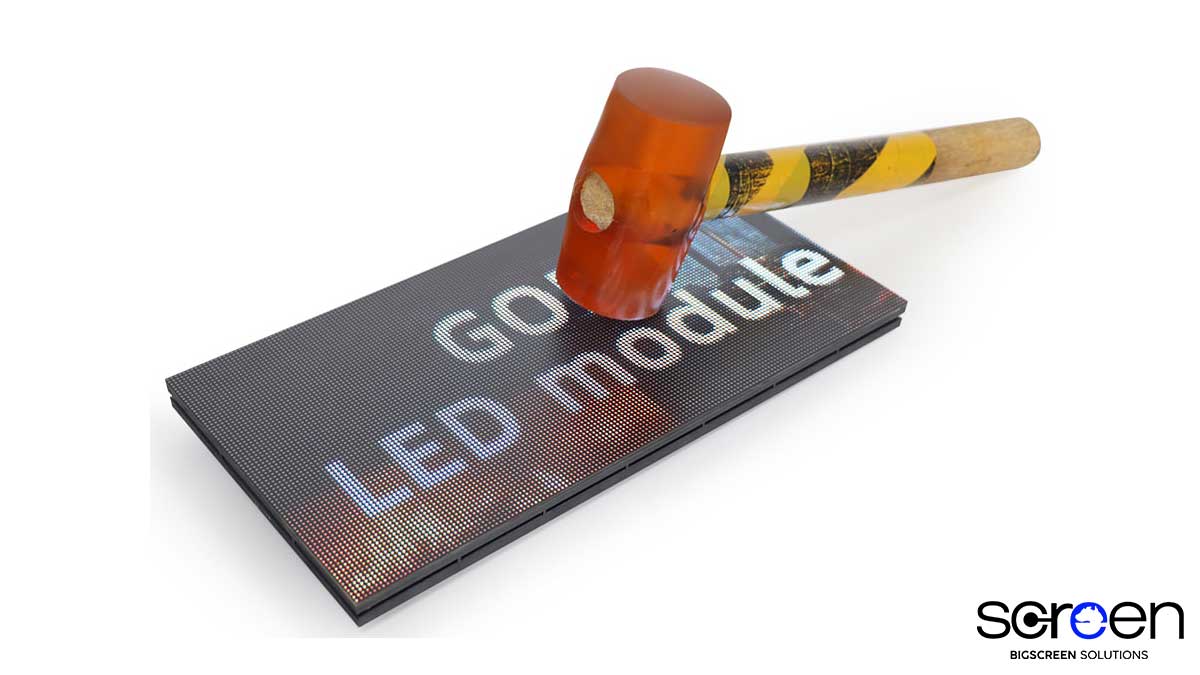
Durability has become one of the most essential requirements in digital display technology, especially in environments where screens are exposed to heavy use, accidental impact, outdoor conditions, or physical stress. A Shockproof LED Display represents a new generation of rugged visual systems engineered to withstand strong vibrations, sudden pressure, or mechanical shocks—without compromising brightness, clarity, or operational stability. From transportation hubs to manufacturing plants, public areas, and sports arenas, this emerging category of displays ensures reliable performance even under demanding conditions. With the growing need for resilient digital infrastructure, impact-resistant LED technology is shaping the future of information delivery and visual communication.

Understanding the Structure of a Shockproof LED Display
To understand what makes a Shockproof LED Display unique, it’s helpful to look at how these displays are constructed. Traditional LED screens use delicate internal components—diodes, driver ICs, power modules, and ribbon connections—that can easily be affected by vibration. However, shockproof systems are built with reinforced modules, robust housing, and specialized mounting mechanisms designed specifically to absorb kinetic energy.
These screens integrate:
- Strengthened PCB layers
- Anti-shock silicone padding
- Reinforced aluminum or magnesium cabinets
- High-precision locking systems
- Vibration-absorbing installation brackets
This multi-layer protection ensures that the diodes and circuitry remain stable, even if the screen is exposed to impact. It is precisely this layered engineering that allows a Shockproof LED Display to remain operational in environments where traditional indoor displays would fail.
Where Shockproof LED Displays Are Most Commonly Used
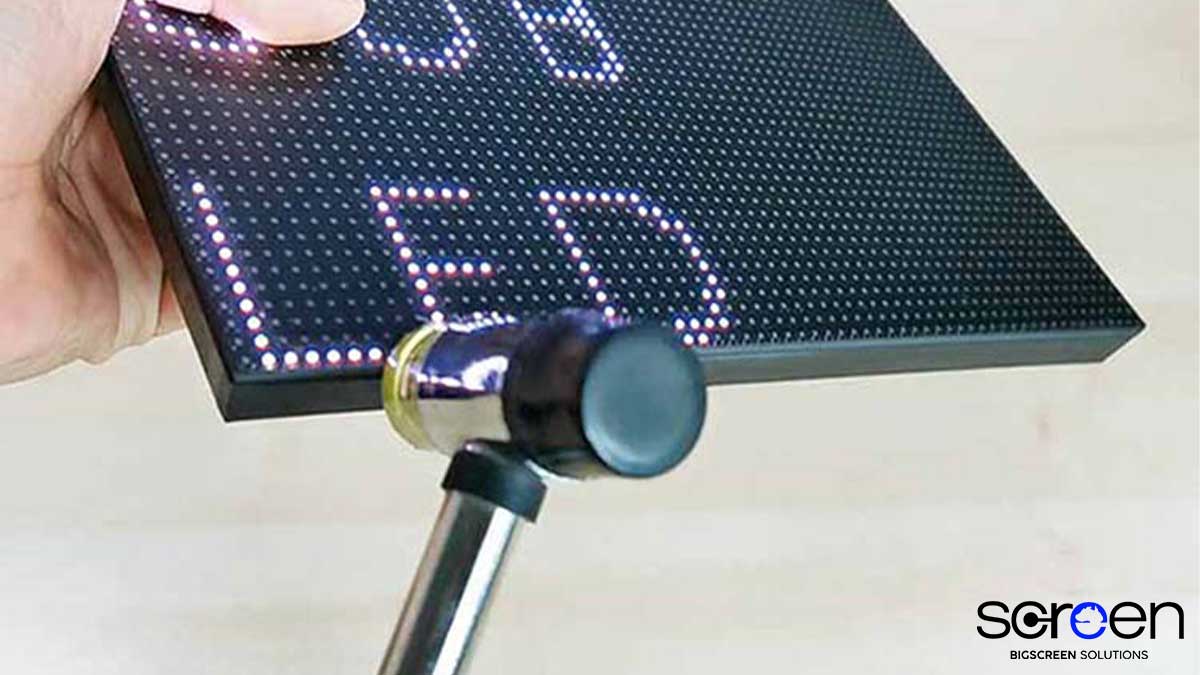
Hotels, malls, airports, railway stations, stadiums, construction zones, and factories all increasingly rely on these enhanced displays. The hospitality sector, for example, often uses rugged screens near high-traffic areas such as entrances, lobbies, or outdoor kiosks where accidental collisions are common. In sports arenas, these displays must withstand ball impacts, equipment collisions, and continuous vibration from crowds.
In transportation hubs, shockproof screens display real-time schedules, announcements, and public safety information. Their resilience ensures clear communication even in environments filled with vibration from trains, heavy equipment, or large crowds.
Across all these applications, the core advantage remains the same: a Shockproof LED Display continues to deliver uninterrupted performance, reducing maintenance, repairs, and downtime.
Why Shockproof LED Is Preferred Over Traditional Displays
The biggest reason organizations choose a Shockproof LED Display is reliability. Even a minor malfunction in critical environments—such as production lines or traffic control centers—can cause major disruptions.
The benefits include:
- Longer lifespan in demanding conditions
- Reduced service costs
- Lower risk of module failure
- Consistent brightness and color accuracy
- Greater resistance to pressure, drops, or impacts
Combined with high energy efficiency and a long operational lifespan, these displays offer the best of both durability and visual performance.
How Shock-Absorption Enhances Display Safety and Stability
Shockproof technology focuses on distributing and neutralizing kinetic force. When a display is hit or experiences vibration, the energy travels through the cabinet. A Shockproof LED Display prevents this energy from reaching sensitive components by isolating them through dual-layer insulation and modular dampening materials.
In environments with fast-moving crowds, forklifts, heavy machinery, or sports equipment, this safety feature becomes extremely valuable. Not only does it protect the display, but it also prevents small failures from escalating into complete system shutdowns.
Maintenance Advantages of Shockproof LED Systems
Maintenance is significantly simpler with shockproof designs. Modules are protected from micro-fractures—the small cracks in soldering points or LEDs that often cause dead pixels or display flickering over time.
A typical Shockproof LED Display requires:
- Fewer replacements
- Less downtime
- Fewer internal inspections
- Lower risk of accidental damage during cleaning
Because the display can survive strong external force, staff can perform routine inspections without fear of damaging the device.
Visual Performance of Shockproof Screens
Durability is one aspect, but visual quality must also remain uncompromised. A Shockproof LED Display still delivers full brightness, wide viewing angles, high contrast ratio, and smooth refresh rates. These qualities ensure it can be used for advertising, safety announcements, real-time dashboards, and high-definition content playback.
Manufacturers today produce shockproof screens using the same cutting-edge LED chips used in premium indoor and outdoor video displays. That means durability and visual quality can coexist without compromise.
Comparing Shockproof LED Displays With Standard LED Video Systems
When comparing a Shockproof LED Display to standard LED technology, the difference lies primarily in resilience and long-term cost efficiency. Traditional screens are designed for controlled environments, whereas shockproof versions provide versatile performance across more demanding conditions.
This is also where advanced solutions like LED Video Wall Panels come into play, especially when combined with shockproof engineering. By merging modular design with reinforced cabinets, large-scale installations remain strong even in crowded or vibration-heavy environments.

Shockproof LED in Commercial and Retail Spaces
Retailers, supermarkets, and outdoor shopping districts often use digital displays near entrances or pedestrian walkways. These areas carry a high risk of accidental contact—shopping carts, strollers, or delivery equipment can easily hit the screen.
A Shockproof LED Display minimizes these risks while offering eye-catching visuals that attract customers. For stores with frequent promotions or changing campaigns, durability ensures continuous display operation without frequent servicing.
In addition, portable units such as the LED Poster Display Stand allow retailers to reposition screens freely without worrying about accidental knocks.

Shockproof LED for Industrial and Manufacturing Facilities
Factories and warehouses are among the toughest environments for digital technology. Vibrations from machinery, high foot traffic, forklifts, and heavy equipment make traditional LED screens prone to failure. A Shockproof LED Display stands out because it maintains operational stability even under constant pressure.
These facilities rely on clear information display for:
- Real-time production metrics
- Worker safety alerts
- Task instructions
- Emergency notifications
Many of these screens are paired with LED Writing Board displays to enable quick manual updates while preserving impact resistance.

Installation Requirements for Shockproof LED Displays
The installation process differs from standard LED systems. Because durability depends partly on mounting stability, technicians use reinforced frames and anti-vibration mounts. This ensures proper energy absorption and prevents stress from transferring to internal components.
Larger installations, particularly in public environments, often require professional LED wall installation services to ensure structural safety and long-term reliability. Proper installation ensures the full durability potential of a Shockproof LED Display system.
Shockproof LED for Temporary Events and Rentals
Event organizers frequently need displays that can survive rapid setup, dismantling, and transport. Panels may be stacked, rolled, or moved multiple times per day. A Shockproof LED Display is ideal for this purpose.
Services such as hire led screen allow companies to rent robust displays for festivals, sports events, exhibitions, or concerts. Shockproof construction ensures screens remain reliable even as they are moved, lifted, or exposed to dynamic environments.

Cost Efficiency and Long-Term Value
Even though shockproof displays may have a slightly higher initial cost, their long-term value is significantly greater due to reduced repair expenses. Many buyers ask How Much Does Digital Signage Cost?, but the real question is how much it saves over years of operation. In industrial or public settings, a durable display reduces failure risk and operational downtime—leading to better ROI.
Energy Consumption and Durability Synergy
Modern LED technology is already energy-efficient, but the combination of efficiency and durability makes shockproof LED systems ideal for extended 24/7 use. Their reinforced internal design helps maintain consistent temperature distribution, preventing overheating.
This synergy means a Shockproof LED Display reduces both maintenance cost and ongoing electricity expenses—an important advantage for businesses with strict operational budgets.
The Future of Shockproof LED Technology
As cities evolve and public spaces adopt smart digital infrastructure, shockproof displays will play a critical role in outdoor communication, industrial automation, and transportation. Advanced impact-resistant LED technology is being combined with:
- IoT sensors
- Weatherproof enclosures
- AI-driven content management
- Modular scaling
- Solar-powered systems
These innovations ensure that the Shockproof LED Display becomes an essential component of modern communication networks.
7 suitable places to install urban displays
Conclusion
A Shockproof LED Display is more than just a rugged digital screen—it is a vital communication tool for environments where reliability, resilience, and longevity matter. Whether used in hotels, retail spaces, industrial facilities, transport hubs, or temporary events, these durable displays deliver outstanding performance under physical stress while maintaining vibrant visual quality. With growing global demand for durable digital infrastructure, shockproof LED systems represent the future of safe, efficient, and long-lasting visual communication.